Introduction to Amish White Bread Recipe
The joy of homemade bread
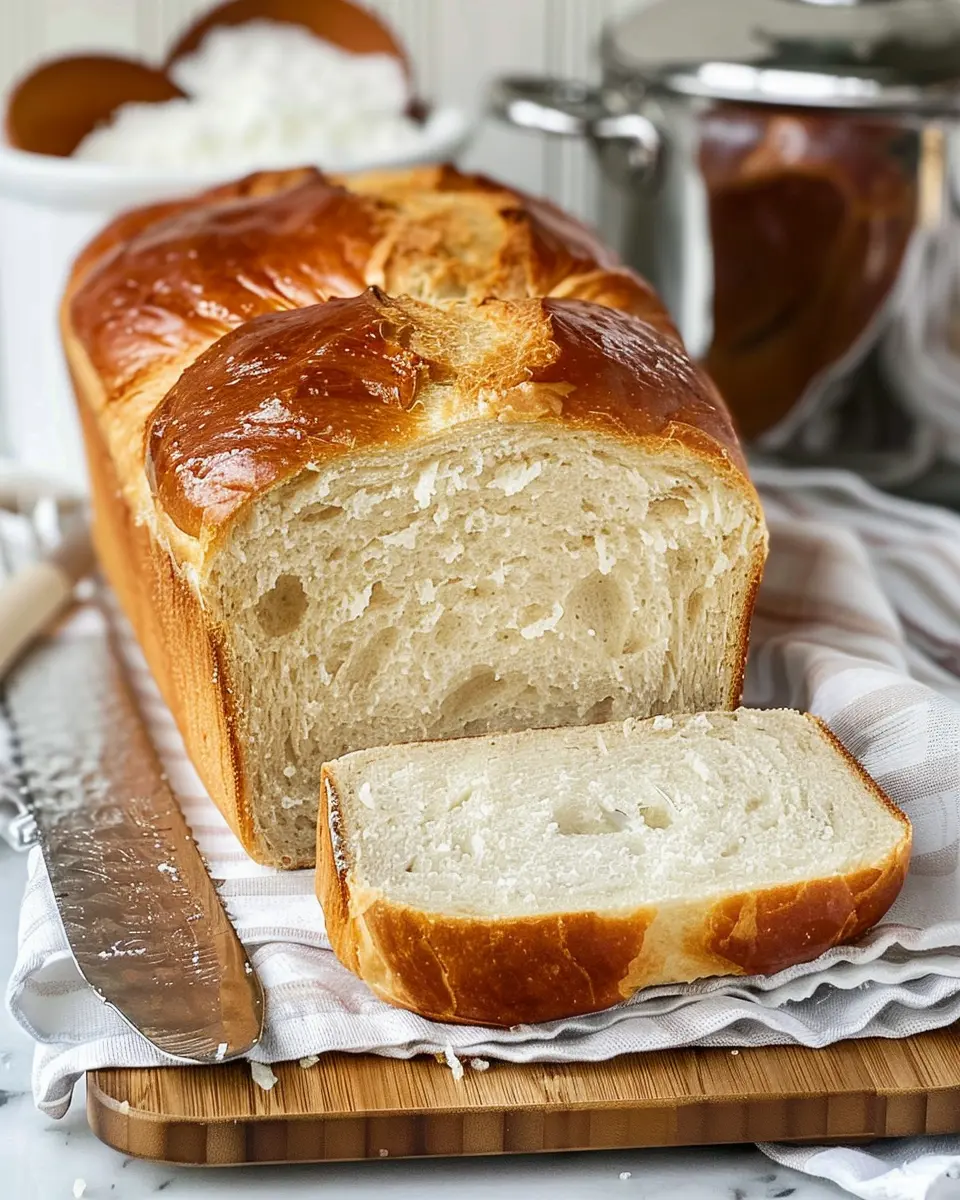
There’s something truly special about the aroma of freshly baked bread filling your kitchen. It evokes memories of comforting family gatherings and the simple pleasures of life. When you whip up a batch of homemade bread, not only do you create a delightful treat, but you also connect with a long tradition of bread-making that has been cherished for generations. The hands-on process of measuring, kneading, and waiting for dough to rise is immensely satisfying. Plus, nothing beats the heartwarming feeling of slicing into a loaf and seeing that beautiful, airy crumb.
Why choose Amish White Bread?
So, why go for an Amish White Bread Recipe specifically? Amish bread has gained popularity for its rich flavor, tender crumb, and golden crust. It’s the kind of bread that makes you want to grab another slice (or two!). The distinctiveness of this recipe lies in its simplicity and use of wholesome ingredients—perfect for busy young professionals who appreciate the balance of health and convenience.
- Wholesome ingredients: Made with basic staples like flour, sugar, yeast, and milk, it’s easy to whip up without fancy gadgets or obscure items.
- Versatile uses: This bread is perfect for sandwiches, toast, or simply slathered with your favorite spread (we recommend some Turkey Bacon or Chicken Ham for a savory twist).
- Community spirit: The Amish community is known for its close-knit values, and their bread recipes often embody a sense of simplicity and nurturing. Making this bread isn’t just about the final product; it’s about embracing a tradition that celebrates home, family, and good food.
If you’re curious about honing your baking skills or just looking for a comforting recipe to include in your repertoire, the Amish White Bread Recipe is a fantastic choice. With its forgiving nature, even novice bakers can enjoy success.
So roll up your sleeves, grab your flour, and let’s dive into the world of homemade Amish white bread. You won’t regret it! For more inspiring baking and cooking insights, check out King Arthur Baking and Food Network for expert tips and delicious variations!
Ingredients for Amish White Bread
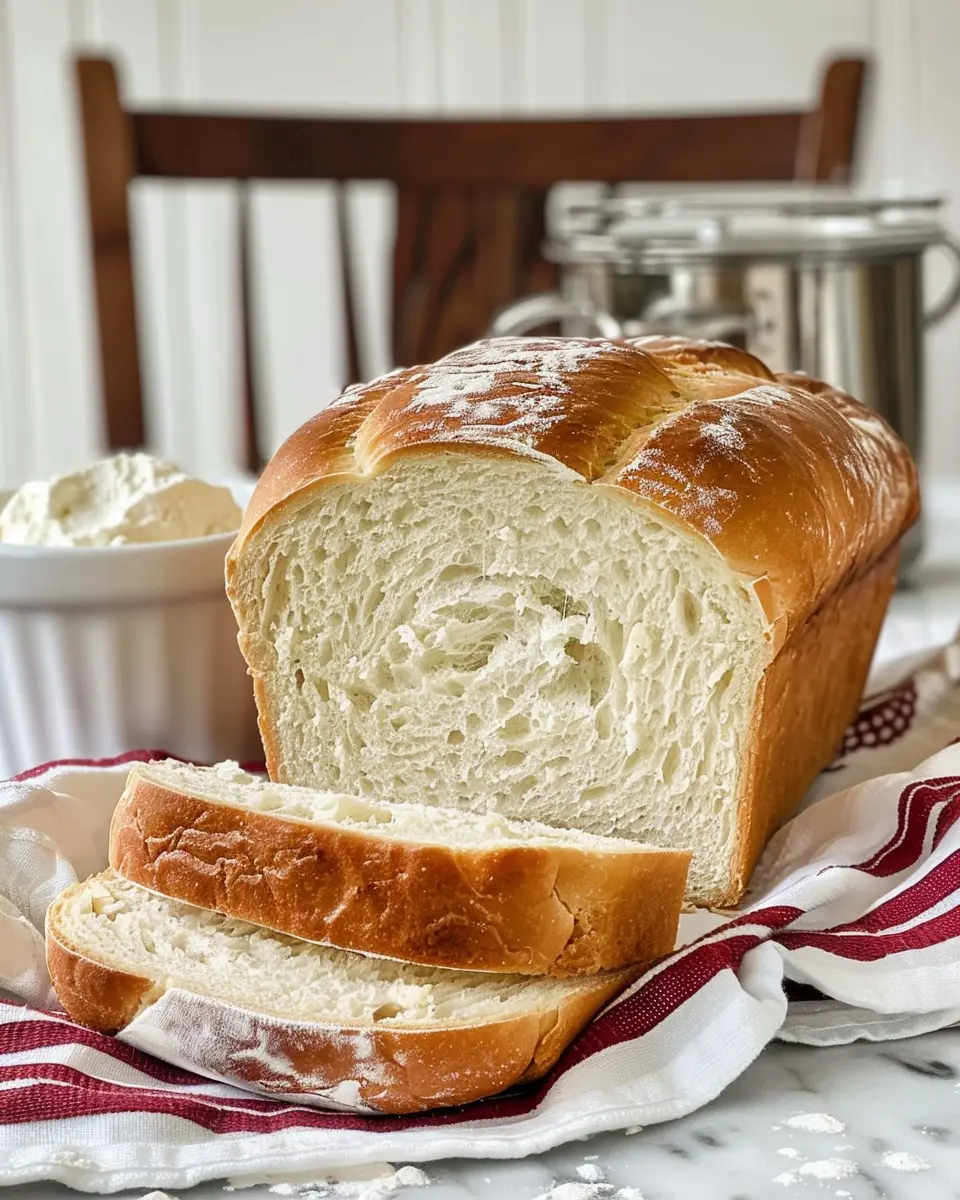
If you’ve ever dreamed of baking your own bread that fills your home with the comforting aroma reminiscent of grandma’s kitchen, the Amish White Bread Recipe is just what you need. This delightful bread is not only soft and fluffy but also surprisingly simple to make. Let’s dive into what you’ll need:
Essential Ingredients
- 3 cups all-purpose flour: This forms the base of your bread, giving it that classic texture. You might want to save a little extra for dusting your work surface.
- 1 cup warm water: Aim for a temperature between 100°F to 110°F. This helps activate the yeast, making your bread rise beautifully.
- 2 tablespoons granulated sugar: Sweetening the dough just a bit will enhance the flavor. Plus, sugar feeds the yeast, aiding in that lovely rise.
- 1 tablespoon active dry yeast: This is the magic ingredient that makes your bread fluffy and light. Look for a reputable brand for best results.
- 1 tablespoon salt: Salt isn’t just for flavor; it strengthens the dough structure.
- 2 tablespoons vegetable oil: This keeps your bread moist and adds richness. You could also use melted butter for an even richer flavor.
Tips and Tricks
Ensure you use fresh yeast; it should be active and bubbly. Did you know that bread can boost your mood? The simple act of baking has been shown to bring joy to many. If you’re new to baking, don’t worry – the Amish White Bread Recipe is perfect for beginners. Check out King Arthur Baking for expert tips. Happy baking!
Preparing Amish White Bread
Baking Amish White Bread is like stepping back into a simpler time; it’s an experience filled with homey aromas and satisfying textures. If you’re ready to embark on this bread-making journey, follow along as we break down each step. Before you know it, you’ll be enjoying that warm, fresh loaf right from your oven.
Gather your tools and ingredients
The first thing you’ll want to do is gather everything you need. Here’s a simple list to get you started:
- Tools: Mixing bowl, measuring cups, measuring spoons, wooden spoon or dough whisk, clean kitchen towel, baking sheets, and a loaf pan.
- Ingredients:
- 4 cups all-purpose bread flour
- 2 tablespoons sugar
- 1 tablespoon salt
- 2 ¼ teaspoons active dry yeast (1 packet)
- 1 ¾ cups warm water (around 110°F)
- 2 tablespoons vegetable oil
Having everything ready will make the process smoother and more enjoyable.
Activate the yeast
Before you dive into mixing ingredients, it’s crucial to ensure that your yeast is alive and kicking. In a small bowl, combine 1 tablespoon of sugar with 1 ¾ cups of warm water. Then, sprinkle the active dry yeast on top and let it sit for about 5–10 minutes. The mixture should become frothy, which indicates your yeast is activated. For more tips on yeast activation, you can check out this helpful guide on King Arthur Baking.
Combine liquid ingredients
In a larger mixing bowl, mix the frothy yeast mixture with vegetable oil. Stir gently, ensuring the oil blends well. The warmth of the water combined with the yeast is part of what makes this bread extraordinarily soft.
Add the bread flour
Now it’s time to pull out the heavy hitter: the bread flour. Gradually add about 4 cups of flour, mixing with a wooden spoon or dough whisk until a dough forms. You should be aiming for a slightly sticky yet manageable consistency.
Knead the dough
Now that your dough is formed, it’s time to really get into it! Transfer the dough onto a floured surface and knead for about 8–10 minutes until the dough is smooth and elastic. If you’re feeling adventurous, try kneading in different patterns or styles. This step is both a workout and a stress-reliever!
Let it rise
After kneading, place the dough in a greased bowl and cover it with a clean kitchen towel. Put it in a warm, draft-free area and let it rise for about 1 to 1.5 hours, until it has doubled in size. This is the perfect time to prepare your favorite sandwich fillings—think turkey bacon or chicken ham!
Shape the loaves
Once your dough has risen, punch it down gently to release any air bubbles. Transfer it back onto the floured surface, and divide it into two equal portions. Shape each portion into a loaf by rolling it gently and placing it into greased loaf pans.
Second rise
Cover the shaped loaves with a towel again and let them rise for another 30–40 minutes. They should puff up again and fill the pan nicely. This second rise is crucial for the perfect loaf texture.
Bake the bread
Preheat your oven to 350°F (175°C) while your loaves are rising. Once ready, place the loaves in the oven and bake for about 30–35 minutes. You’ll know they’re done when they turn a golden brown color and sound hollow when tapped on the bottom. Let them cool in the pans for a few minutes, then transfer them to a wire rack.
Now you have your beautiful, homemade Amish White Bread. Enjoy it fresh, or slice it up for sandwiches. This recipe is not just about the bread; it’s about creating memories with every loaf!
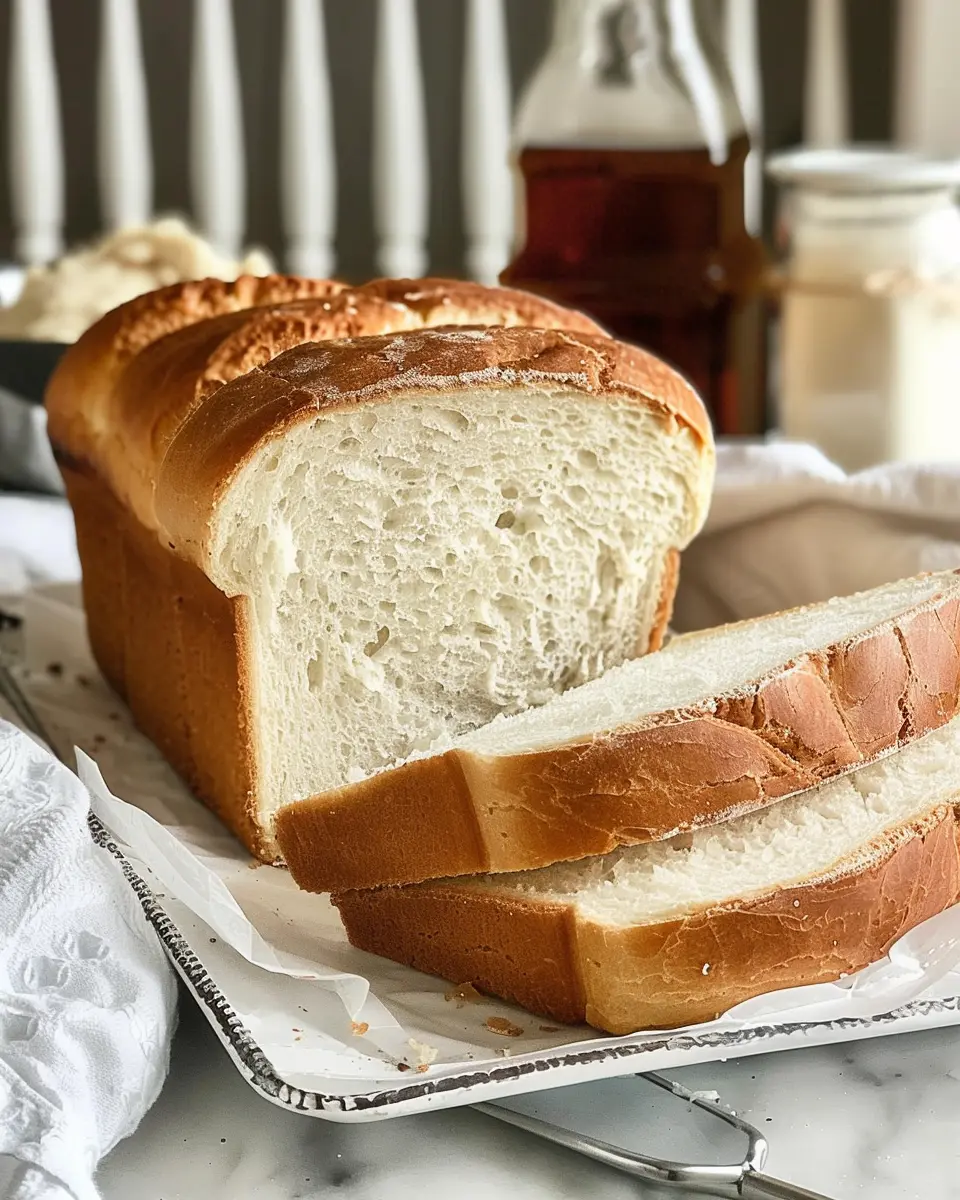
Variations on Amish White Bread
The classic Amish White Bread Recipe is a delightful canvas, ready for your creative touch. Adding a few variations can elevate the flavors and make this beloved bread even more enticing. Let’s dive into two captivating adaptations!
Whole Wheat Amish Bread
If you’re looking for a healthier twist, consider making Whole Wheat Amish Bread. This variation not only enhances the nutrition but also gives it a delightful nutty flavor. Here’s how to do it:
- Substitute half of the all-purpose flour with whole wheat flour. This maintains the lightness while boosting fiber content.
- You might want to add a tablespoon of honey or maple syrup to balance the earthy tones of the whole wheat.
- Keep an eye on the dough; it may need a bit more moisture during the mixing. Adding a splash of water or milk can help.
By choosing whole wheat, you’re not just tweaking a recipe—you’re embracing a more nourishing lifestyle.
Herb-Infused Amish Bread
If savory sounds more appealing, herb-infused Amish Bread can be your go-to. Picture the comforting aroma of basil, rosemary, or thyme wafting through your kitchen. Here’s how to incorporate herbs:
- Start by adding one tablespoon of dried herbs to your dough during mixing. Fresh herbs can also be used; just chop them finely and use two tablespoons.
- Consider adding minced garlic or finely chopped onions for an extra punch of flavor.
- Serve slices topped with creamy cheese or turkey bacon for a savory snack that’s sure to impress!
For more tips on baking with herbs, check out this guide from the Culinary Institute of America.
With these variations, your Amish White Bread Recipe can transform into something genuinely special, appealing to both heart and palate. Try them out and let your kitchen be filled with magical scents and flavors!
Baking Tips for Amish White Bread
Temperature Control
Getting the temperature just right when baking your Amish White Bread Recipe is crucial. Yeast thrives in warmth, so ensure your water is between 110°F to 115°F to activate it properly. Use a thermometer if you have one—this small step can greatly improve your results! If your kitchen is cool, consider placing the dough in a warm spot, like near a sunny window or inside an unheated oven with the light on.
Avoiding Over-Mixing
When mixing your dough, the goal is to achieve a smooth texture without overdoing it. Over-mixing can lead to tougher bread. Combine your ingredients until they just come together. A little flour sticking to the bowl is perfectly fine. Remember, dough doesn’t have to be perfect; it just needs to be loved!
Perfecting the Rise
Allowing your dough adequate time to rise is essential for that fluffy texture you crave. After kneading, cover the bowl with a damp cloth or plastic wrap and let it rest in a warm area until it doubles in size. This usually takes about 1-2 hours, depending on the ambient temperature. Patience is key here! When it’s ready, you’ll see the dough puffing up beautifully, making for the perfect loaf.
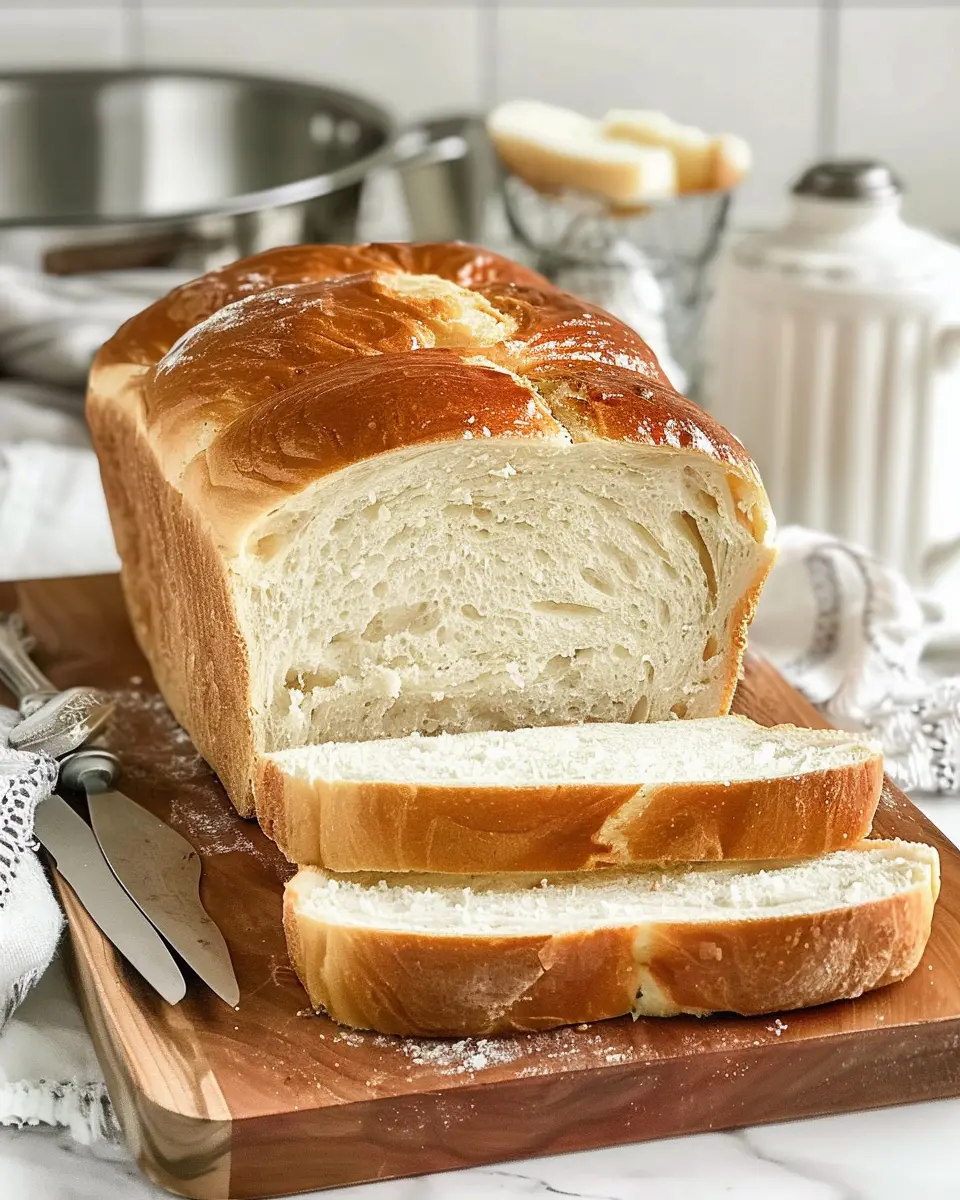
Serving Suggestions for Amish White Bread
Classic Pairings
Amish White Bread shines when paired with traditional fixings that enhance its delightful flavor and texture. Here are some classic pairings that never disappoint:
- Turkey Bacon and Avocado: Crisp turkey bacon with creamy avocado on a slice of toasted Amish White Bread makes for an irresistible breakfast sandwich.
- Chicken Ham and Swiss Cheese: Layering chicken ham with sharp Swiss cheese offers a savory take that’s perfect for lunch.
- Peanut Butter and Banana: A nostalgic and nutritious option, this combination is not just for kids. It gives you that energy boost while satisfying your sweet tooth.
Creative Spreads
If you’re looking to elevate your Amish White Bread Recipe, consider trying some of these creative spreads:
- Herbed Cream Cheese: Whip up a simple cream cheese spread with fresh herbs for a savory, flavorful topping.
- Honey and Cinnamon Butter: Mix softened butter with honey and a sprinkle of cinnamon for a sweet treat that’s great on warm bread.
- Avocado Hummus: This trendy spread combines smooth avocado with chickpeas, creating a creamy blend that pairs beautifully with toasted Amish White Bread.
These suggestions not only elevate the flavor but also keep your meals vibrant and exciting. For tips on maintaining fresh bread storage, check out resources like King Arthur Baking. Enjoy crafting delicious meals with your homemade bread!
Tips for Making Perfect Amish White Bread
Flour Types and Their Impact
When crafting your Amish White Bread, the choice of flour is crucial. All-purpose flour is often preferred for its balanced protein content, yielding a soft and fluffy loaf. However, if you want a slightly chewier texture, consider mixing in some bread flour, which has higher protein that enhances gluten development. Remember, the right flour helps in achieving that perfect rise and crumb texture.
Best Practices for Bread Storage
Once your Amish White Bread is baked to perfection, proper storage is key to keeping it fresh. Allow the bread to cool completely before storing it to prevent moisture buildup. Here are some storage tips:
- Wrap the bread in plastic wrap or aluminum foil.
- For extended freshness, store it in an airtight container or freeze it for later use.
- If refrigerated, consume within a week for best taste—baking is best enjoyed fresh!
Troubleshooting Common Issues
Even seasoned bakers can encounter problems. If your bread didn’t rise as expected, it could be due to inactive yeast. Always check the expiration date or activate it with warm water and a bit of sugar before mixing. If you find your bread is too dense, it may not have been kneaded enough. Aim for a smooth, elastic dough, and watch it spring back when poked.
With these tips, you’ll be well on your way to mastering your Amish White Bread Recipe. Happy baking! For more in-depth guidance, consider checking out resources like King Arthur Baking or The Kitchn for expert bread-making advice.
Time details for Amish White Bread
Preparation time
Making your own Amish White Bread isn’t just fulfilling; it only takes about 15–20 minutes of hands-on time. You’ll be mixing flour, water, yeast, and a few other simple ingredients to start your dough.
Rising time
Patience is key when it comes to this recipe. You’ll want to let your dough rise for 1 to 2 hours. The goal here is to let it double in size, which you can monitor by opting for a warm spot in your kitchen.
Baking time
Once your dough has risen beautifully, it’s time to bake. This will take about 30–35 minutes in the oven. You’ll know it’s ready when the crust turns golden brown and the bread sounds hollow when tapped.
Total time
All in all, you’re looking at around 2 to 2.5 hours from start to finish for the Amish White Bread Recipe. This includes prep, rising, and baking time. Trust me, the delicious aroma filling your kitchen will make it worth every minute. For more baking tips, check out helpful resources like King Arthur Baking or BBC Good Food.
Nutritional information for Amish White Bread
When diving into the delightful world of homemade bread, it’s essential to consider the nutritional aspects. Let’s take a closer look at the Nutritional Information for Amish White Bread:
Calories
A single slice of Amish White Bread typically contains about 120 calories. This makes it a satisfying choice without being overly indulgent.
Protein
Protein is the building block of our muscles, and this bread provides around 3 grams per slice. Pair it with some Turkey Bacon for a protein-packed breakfast!
Fiber
While white bread isn’t typically high in dietary fiber, you can still expect about 1 gram per slice. Want to boost the fiber content? Consider adding a spread of almond butter or using it to make a sandwich filled with fresh veggies.
For a deeper dive into the health benefits of homemade bread, check out resources like the Whole Grains Council or the American Heart Association. Making choices that align with your nutritional goals is all part of the fun when baking your own Amish White Bread.
FAQs about Amish White Bread
Navigating the ins and outs of baking can often raise a few questions. If you’re diving into our Amish White Bread Recipe, here are some common queries that might help you on your bread-baking journey.
Can I use active dry yeast instead of instant yeast?
Absolutely! While our Amish White Bread Recipe calls for instant yeast, you can use active dry yeast as well. Just keep in mind that you’ll need to activate it first. Mix it with warm water (around 110°F) and a pinch of sugar, letting it sit for about five to ten minutes until it becomes frothy. Once activated, you can proceed with the recipe as usual.
How should I store leftover bread?
To keep your homemade bread fresh, it’s best to store it at room temperature in a breadbox or wrapped in a clean kitchen towel. This will protect it from moisture while allowing it to breathe. If you’re looking to maintain its freshness for a longer period, consider slicing it first – it makes it easier to grab a piece later! Learn more about bread storage strategies on The Kitchn.
Can I freeze Amish White Bread?
Definitely! Freezing is a fantastic way to extend the life of your bread. Allow the loaf to cool completely, then wrap it tightly in plastic wrap followed by aluminum foil. This double layer helps prevent freezer burn. When you’re ready to enjoy it again, simply thaw it at room temperature or pop it in the toaster for a quick warm-up.
Feel confident about your baking adventure! If you have more questions or tips, feel free to share them in the comments. Happy baking!
Conclusion on Amish White Bread Recipe
The Amish White Bread Recipe is not just a method; it’s an experience. As you knead the dough and savor the warm aroma filling your kitchen, you might find yourself transported to a simpler time. This bread is perfect for any occasion—be it a hearty sandwich or simply toasted with a bit of butter.
Remember, making bread can be therapeutic! Plus, sharing a loaf with friends or family can create wonderful memories. If you’re looking for more insights on the science of baking, check out resources from the King Arthur Baking Company or The Bread Lab. Embrace the journey of baking your own Amish White Bread, and you may just find it becomes a beloved staple in your home!
PrintAmish White Bread Recipe: The Best Homemade Bread You’ll Love
This Amish White Bread Recipe is simple to make and results in soft, fluffy loaves that are perfect for sandwiches, toast, or as a side to any meal.
- Prep Time: 20 minutes
- Cook Time: 35 minutes
- Total Time: 2 hours
- Yield: 2 loaves
- Category: Bread
- Method: Baking
- Cuisine: American
- Diet: Vegetarian
Ingredients
- 4 cups all-purpose flour
- 1 tablespoon active dry yeast
- 2 tablespoons sugar
- 1 tablespoon salt
- 1 ½ cups warm water
- 2 tablespoons vegetable oil
Instructions
- In a large bowl, mix warm water, sugar, and yeast. Let it sit until bubbly.
- Add salt and oil, then gradually mix in flour until a dough forms.
- Knead the dough on a floured surface for about 8-10 minutes.
- Place the dough in a greased bowl, cover, and let it rise until doubled in size.
- Punch down the dough and divide it into two loaves. Place in greased bread pans.
- Cover and let rise again until doubled in size.
- Bake at 350°F (175°C) for 30-35 minutes until golden brown.
Notes
- For a richer flavor, let the dough rise in the refrigerator overnight.
- Try adding herbs or garlic for unique variations.
Nutrition
- Serving Size: 1 slice
- Calories: 150
- Sugar: 1g
- Sodium: 200mg
- Fat: 4g
- Saturated Fat: 0.5g
- Unsaturated Fat: 3g
- Trans Fat: 0g
- Carbohydrates: 28g
- Fiber: 1g
- Protein: 4g
- Cholesterol: 0mg