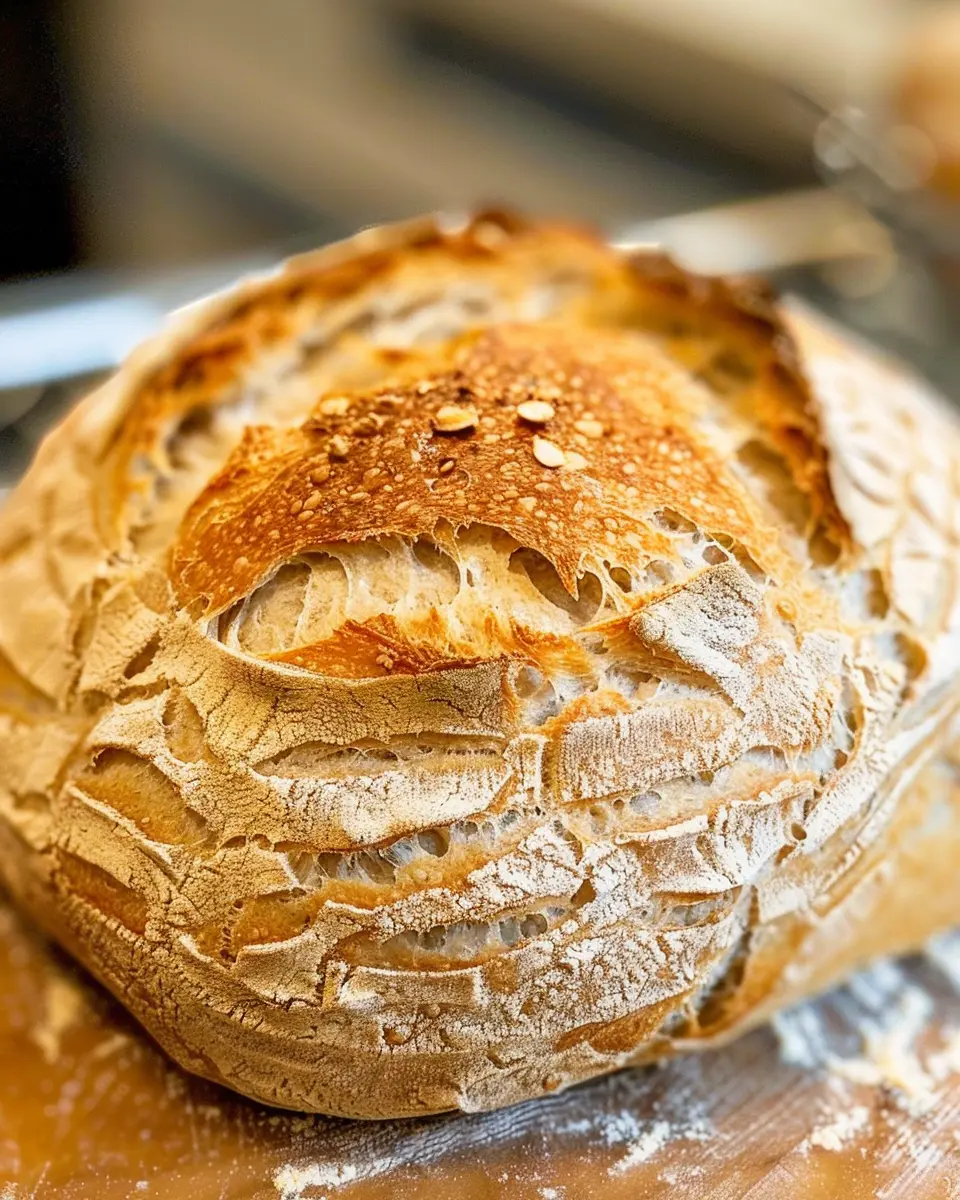
Introduction to Artisan Sourdough Bread
Creating homemade artisan sourdough bread is more than just a baking project; it’s a culinary adventure that connects us with tradition and creativity. There’s something incredibly rewarding about cultivating your own sourdough starter, watching it bubble and grow, and then transforming it into a beautiful loaf that’s both rustic and hearty.
Why is homemade sourdough so special?
Homemade sourdough is special for several reasons. First, the flavor is incomparable. The tangy complexity that develops during fermentation creates a depth of taste that’s hard to replicate with commercial breads. Did you know that the natural fermentation process not only enhances flavor but also increases the bread’s nutritional value? According to studies from The Whole Grains Council, sourdough fermentation can help break down gluten and phytates in grains, making nutrients more accessible to our bodies.
Moreover, baking bread at home allows you to use high-quality, organic ingredients. You can customize your loaf to your dietary preferences—whether you’re looking to go whole grain, incorporate seeds, or simply use your favorite flour. Making your own bread means you know exactly what goes into it, eliminating preservatives and additives commonly found in store-bought options.
Also, let’s talk about the process. The method of making artisan sourdough bread—particularly the high starter method—creates a less demanding timeline, empowering you to work with the dough at your own pace. It often becomes a delightful ritual, where the act of kneading, shaping, and allowing the dough to rise feels therapeutic. Plus, the aroma that fills your kitchen while baking is an experience in itself, enveloping your space in warmth and comfort.
Last but not least, there’s a unique satisfaction in sharing your creations. Imagine serving fresh, warm slices of your own artisanal bread at a gathering. It opens up conversations and invites compliments, giving you a sense of accomplishment that few things can match.
So, if you’re ready to embark on the journey of baking your own artisan sourdough bread, grab your ingredients, roll up your sleeves, and let’s get started. You’ll soon discover why this old-world technique still captivates hearts (and taste buds) today.
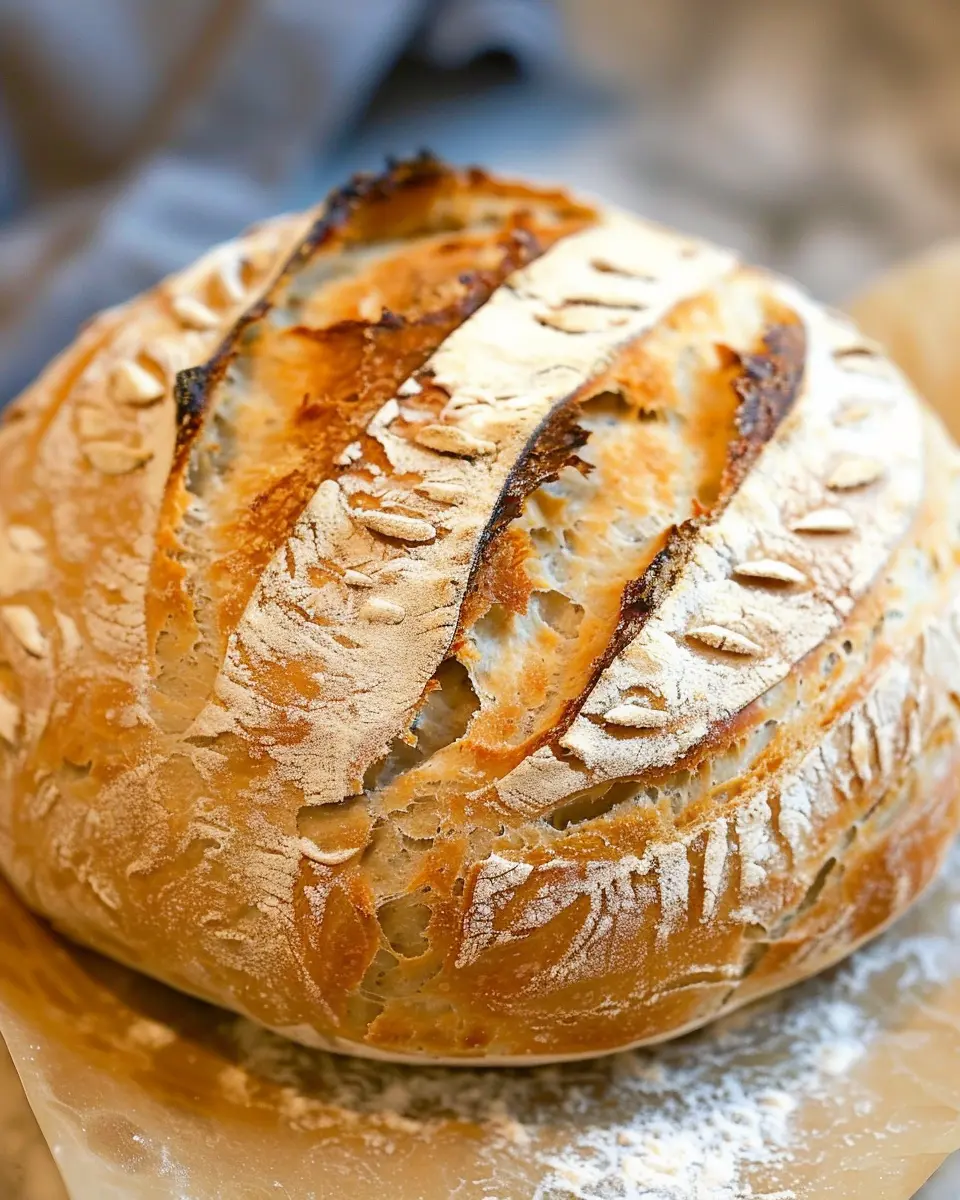
Ingredients for Artisan Sourdough Bread
When embarking on your journey with this artisan sourdough bread recipe, it’s essential to gather the right ingredients. Here’s what you’ll need to craft a loaf that not only looks stunning but also tastes divine.
-
Bread Flour: You’ll want high-protein bread flour for the best gluten structure. Aim for around 500 grams, as this gives you that chewy texture we all love.
-
Water: Use about 350 grams of lukewarm water. This helps activate your starter without shocking the yeast.
-
Sourdough Starter: A healthy, active starter is key! You’ll need 150 grams for that distinct tangy flavor. If you’re new to sourdough, check out King Arthur Baking for tips on nurturing yours.
-
Salt: Around 10 grams of sea salt enhances the flavor while helping to control fermentation. What’s bread without a touch of salt?
Getting familiar with these core ingredients paves the way for a delightful baking experience. Each component plays its part in creating that perfect crusty exterior and airy interior we all desire! Have a favorite ingredient tip? Share it in the comments!
Step-by-Step Preparation of Artisan Sourdough Bread
Crafting your own artisan sourdough bread at home can seem daunting at first, but with a little patience and practice, you’ll soon find it a rewarding endeavor. Let’s take a stroll through the delightful process of making this classic loaf, which is sure to impress both family and friends.
Prepare Your Sourdough Starter
First things first: your sourdough starter. This living culture is vital for giving your bread that distinct flavor and texture. If you don’t have one yet, consider starting one a week prior to baking. A healthy starter should be bubbly and have a pleasant, slightly tangy aroma.
To prepare your starter:
- Feed it: 12 hours before you start your bread, feed your starter with equal parts of flour and water to encourage activity.
- Check the consistency: The texture should be like a thick pancake batter. If it’s too runny, add a bit more flour.
For tips on nurturing your starter, check out resources like The Perfect Loaf.
Mixing the Ingredients
Now that your starter is lively and ready, let’s move on to mixing the ingredients. For your artisan sourdough bread recipe, you’ll need:
- 500g bread flour
- 350g water (room temperature)
- 100g active sourdough starter
- 10g salt
In a large bowl, combine the flour and water, mixing until there are no dry bits left. Let this sit for about 30 minutes; this process is called autolyse and it helps enhance the dough’s texture.
Shaping the Dough
Once your dough has developed a bit of strength through the autolyse phase, it’s time to incorporate the sourdough starter and salt.
- Add the starter: Tear it into pieces and mix it into the dough using your hands.
- Add salt: Sprinkle the salt over the dough and knead it in until fully incorporated.
Kneading can be labor-intensive but enjoy the process—this is where your dough starts to develop a lovely elasticity.
The Stretch and Fold Technique
Instead of a traditional kneading method, we’ll focus on the stretch and fold technique, which is perfect for sourdough.
- Bulk fermentation: Let the dough rest in a greased bowl for about four hours, folding it every 30 minutes. To fold, wet your hands, grab one side of the dough, stretch it upwards, and fold it over. Rotate and repeat this on all four sides.
This technique helps develop gluten without overworking the dough, resulting in a light and airy crumb.
Final Shaping and Proofing
Once your dough has doubled in size, it’s time to shape it into a round or oval loaf. Here’s how:
- Shape the dough: Gently remove it from the bowl onto a floured surface. Use your hands to tuck the dough under itself to create tension on the surface.
- Proofing: Transfer your shaped dough into a proofing basket (banneton) or bowl lined with a kitchen cloth. Cover it and let it rest for another 2–4 hours at room temperature or overnight in the fridge for a more complex flavor.
Baking Your Artisan Bread
The moment you’ve been waiting for! Preheat your oven to 450°F (230°C) and place a Dutch oven inside to heat up. This helps create steam, which is essential for achieving that crispy crust.
- Score the dough: Once your dough is ready, carefully transfer it onto parchment paper and score the top with a sharp blade to allow for expansion during baking.
- Bake it: Place the dough (still on the parchment) into the hot Dutch oven, cover it, and bake for 30 minutes. Remove the lid and bake for an additional 15-20 minutes until golden brown.
When your artisan sourdough bread comes out of the oven, let it cool completely on a wire rack. Slicing into warm, fresh bread is a delightful experience.
By following these steps, you’ll create delicious, homemade sourdough that’s sure to impress. Enjoy the process and remember: each loaf teaches you something new. Happy baking!
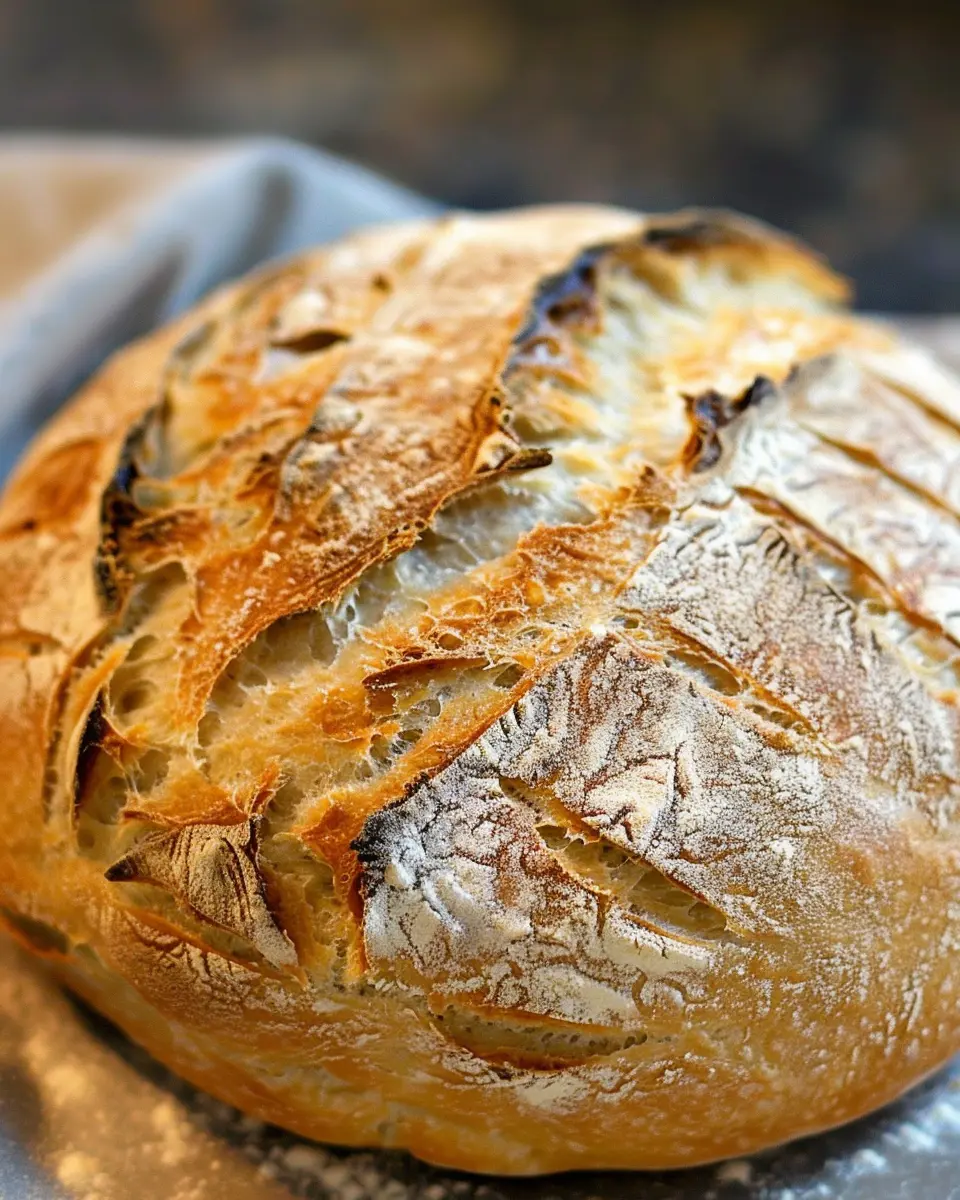
Variations on Artisan Sourdough Bread
Exploring variations on your artisan sourdough bread recipe can turn a simple loaf into a culinary delight. Let’s look at a couple of tempting options to elevate your homemade sourdough game.
Sourdough with Herbs and Cheese
Imagine slicing into your artisan sourdough bread and being greeted by the enticing aroma of fresh herbs mingling with melted cheese. Adding ingredients like:
- Fresh rosemary or thyme
- Parmesan or cheddar cheese
- Sun-dried tomatoes
Simply fold your chosen herbs and cheese into the dough during the shaping stage. Not only do these additions provide incredible flavor, but they also create an impressive visual appeal. The combination of savory herbs and rich cheese will undoubtedly impress anyone fortunate enough to snag a slice!
For even more flavor depth, consider topping your loaf with a sprinkle of sea salt before baking. This technique can make your bread burst with taste!
Sweet Sourdough Variations
If you have a penchant for something sweeter, why not try a cinnamon raisin artisan sourdough? To create this delightful twist, you can:
- Add cinnamon and brown sugar to your dough mix
- Fold in raisins or dried cranberries during the bulk fermentation phase
This variation is perfect for breakfast or as a sweet treat with coffee. The acidity of the sourdough balances beautifully with the sweetness of the sugar and dried fruit.
For more inspiration, check out this guide on artisan bread variations that can transform your baking routine. Trying these variations not only enhances your skills but also makes your kitchen a hub of delicious aroma and creativity!
Baking Tips and Notes for Artisan Sourdough
Crafting your own artisan sourdough bread is both an art and a science. Here are some essential tips to elevate your baking game.
Embrace the Starter
Your sourdough starter is the heart of your artisan sourdough bread recipe. Ensure it’s active and bubbly before you begin. A well-fed starter should double in size within 4-6 hours after feeding. If your starter isn’t cooperating, take a look at The Perfect Loaf for maintenance tips.
Timing is Everything
Sourdough requires patience. Allow your dough to ferment at room temperature for optimal flavor development. Remember, longer fermentation leads to a more complex taste!
Hydration Matters
Different flours absorb water differently. Pay attention to your dough’s texture. If it feels too dry, consider adding a bit more water, or if it’s too sticky, a touch more flour can help.
Bake with Steam
Steam in the oven creates that lovely crust. Place a pan with hot water at the bottom of the oven during baking to retain moisture, giving your bread that irresistible artisan quality.
Remember, practice makes perfect! Enjoy the journey, and don’t be afraid to experiment with this artisan sourdough bread recipe. Happy baking!
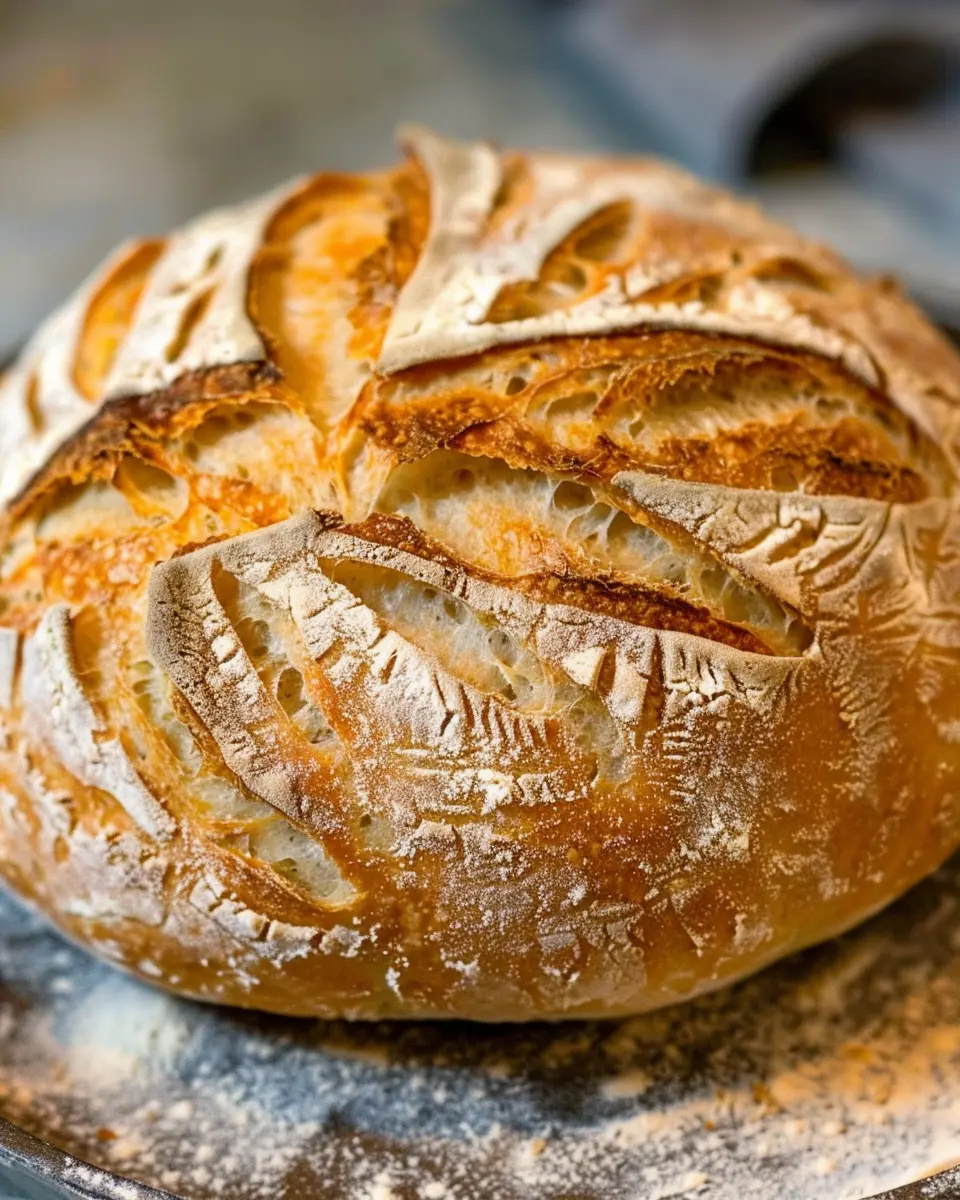
Serving Suggestions for Artisan Sourdough Bread
When you pull that golden-brown crusty loaf from the oven using the artisan sourdough bread recipe, you’ll want to savor every bite! Here are some delightful serving suggestions to elevate your homemade bread experience.
Perfect Pairings
- Savory Spreads: Slather on some creamy goat cheese or tangy hummus for a delightful appetizer.
- Turkey Bacon Sandwiches: Layer crispy turkey bacon, fresh avocado, and a sprinkle of salt for a hearty breakfast.
- Chicken Ham Delight: Pile on slices of chicken ham with fresh greens and a zesty mustard for a fulfilling lunch option.
Dynamic Dippers
Consider pairing your artisan sourdough with homemade soups. A warm bowl of butternut squash or classic tomato bisque is perfect for dipping and will have your friends raving.
Fun for Kids
Get the kids involved: Let them create their own sourdough pizza toast by adding toppings like cheese, veggies, or even left-over chicken ham and popping it in the oven!
Exploring various ways to serve this lovely bread can turn a simple meal into a gourmet experience. Enjoy creating delicious moments around the table! For more inspiration, check out resources like Food52 for unique serving ideas.
Tips for Making Perfect Artisan Sourdough Bread
Creating the perfect loaf of artisan sourdough bread is more of an art than a science. To help you craft that beautifully crusty exterior and airy interior, here are some tried-and-true tips:
Invest in Quality Ingredients
The backbone of any great sourdough is high-quality flour. Look for bread flour with a high protein content; this creates that delicious chewiness we all love. Consider using organic flour for better taste and nutrition. Don’t skimp on your sourdough starter either—it should be active and bubbly. If you’re unsure about your starter, get tips on maintaining a robust culture from sources like King Arthur Baking.
Master the Autolyse Process
Allowing your flour and water to rest before adding salt and starter—known as the autolyse process—develops gluten and enhances the flavor of your dough. Aim for a minimum of 30 minutes to really let those flavors meld.
Pay Attention to Dough Consistency
A key element in your artisan sourdough bread recipe is understanding the texture of the dough. It should feel elastic but not overly sticky. If it’s too wet, use a little extra flour when shaping.
Embrace Patience and Practice
Sourdough baking is a learning curve, so don’t be discouraged by early failures! Each bake teaches you something new. Keep experimenting with hydration levels and fermentation times until you find what works best for you.
By following these tips, you’ll be well on your way to impressing friends and family with your newly found baking skills. Happy baking!
Time Breakdown for Artisan Sourdough Bread
Preparation time
Creating your artisan sourdough bread recipe starts with about 30 minutes of preparation. This includes gathering your ingredients and mixing the starter with flour and water until you achieve that perfect dough consistency.
Proofing time
Next comes the magical part—proofing! You’ll want to let your dough rise for about 4 to 6 hours at room temperature. This is where the sourdough starter works its magic, giving the bread that wonderful tangy flavor and airy texture.
Baking time
When it’s time to bake, preheat your oven and toss that dough in for about 30 to 40 minutes. The aroma of freshly baked sourdough will make it all worthwhile.
Total time
In total, set aside about 5 to 7 hours, a good portion of which is hands-off time. Perfect for juggling your other activities while your artisan sourdough bread transforms into a delicious loaf! For more tips on perfecting your sourdough technique, check out King Arthur Baking for expert advice.
Nutritional Facts for Artisan Sourdough Bread
When diving into the world of baking, understanding the nutritional profile of your creations can enhance your experience. Let’s break down the nutritional facts for artisan sourdough bread, giving you insight that complements your artisan sourdough bread recipe.
Calories
One slice of artisan sourdough bread contains approximately 70-80 calories, making it a wholesome choice that fits comfortably into your daily caloric needs.
Carbohydrates
With roughly 14-15 grams of carbohydrates per slice, this bread provides an excellent energy source. Opt for it over processed variations to fuel your day better!
Fiber
Sourdough naturally contains about 1-2 grams of fiber per slice, contributing to your digestive health. Fiber is vital for maintaining gut health and keeping you satisfied longer.
Protein
Artisan sourdough bread also offers around 2-3 grams of protein per slice, which is important for tissue repair and muscle health. Pair it with protein-rich toppings like turkey bacon or chicken ham for a balanced meal.
For more detailed insights on the benefits of sourdough, you might want to check out resources from reputable sites like the Whole Grains Council. So, why not whip up your own batch? It’s not only tasty but also nutritious!
FAQs about Artisan Sourdough Bread
How do I know my sourdough starter is ready?
Knowing when your sourdough starter is ready can feel like an art form in itself, but it’s actually quite straightforward. A healthy sourdough starter will double in size within 4 to 6 hours after feeding and have a delightful, tangy aroma. Look for small bubbles on the surface and around the edges of the container—these indicate active fermentation. If it passes the “float test” (a spoonful of starter should float in water), it’s ready for your artisan sourdough bread recipe!
Can I make artisan bread without a Dutch oven?
Absolutely! While a Dutch oven creates that coveted steam environment, you can still achieve great results without one. A few alternatives include using:
- A baking stone or steel
- A cast-iron skillet with water on the bottom
- A baking dish covered with aluminum foil
Each of these options can help you achieve a crisp crust and a soft interior—just be prepared to experiment a bit.
What’s the best way to store homemade sourdough?
Proper storage is key to keeping your artisan sourdough bread fresh. Here are some tips:
- Short term: Keep your bread in a paper bag at room temperature for 1-2 days to maintain its crustiness.
- Long term: Slice and freeze your loaf in an airtight bag. This way, you can keep it for several weeks without loss of quality. When you’re ready to enjoy it, just toast or warm it in the oven.
If you’re passionate about bread, check out sources like the King Arthur Baking Company for further tips and inspiration! Happy baking!
Conclusion on Artisan Sourdough Bread
In wrapping up our artisan sourdough bread recipe, it’s clear that embracing the art of sourdough baking not only elevates your culinary skills but also rewards you with fantastic bread that’s bursting with flavor. With its beautiful crust and chewy interior, homemade sourdough can transform any meal into something special.
As you experiment with different techniques, remember that practice leads to perfection. Don’t hesitate to customize your bread with your favorite ingredients to match your tastes. If you’re new to sourdough, start simple and gradually explore various methods and flavors. Check out resources like King Arthur Baking for more sourdough tips and inspiration. Happy baking!
PrintArtisan Sourdough Bread Recipe: Best High Starter Method Guide
This artisan sourdough bread recipe focuses on the high starter method, providing detailed instructions to achieve the perfect loaf.
- Prep Time: 30 minutes
- Cook Time: 40 minutes
- Total Time: 6 hours
- Yield: 1 loaf
- Category: Bread
- Method: Baking
- Cuisine: French
- Diet: Vegetarian
Ingredients
- 500 grams bread flour
- 350 grams water
- 100 grams active sourdough starter
- 10 grams salt
Instructions
- In a large mixing bowl, combine the flour and water. Mix until no dry flour remains.
- Let the dough rest for 30 minutes.
- Add the sourdough starter and salt, then mix until well incorporated.
- Perform stretch and folds every 30 minutes for the next 2 hours.
- Let the dough rise until doubled in size, about 4-6 hours.
- Shape the dough and place it in a proofing basket. Let it rest for an additional 1-2 hours.
- Bake in a preheated oven at 450°F (232°C) for 30-40 minutes.
Notes
- For best results, ensure your starter is active and bubbly.
- Adjust water based on your flour’s absorption.
Nutrition
- Serving Size: 1 slice
- Calories: 150
- Sugar: 0.5 grams
- Sodium: 200 milligrams
- Fat: 1 gram
- Saturated Fat: 0 grams
- Unsaturated Fat: 0 grams
- Trans Fat: 0 grams
- Carbohydrates: 30 grams
- Fiber: 1 gram
- Protein: 5 grams
- Cholesterol: 0 milligrams