Introduction to French Butter Cake
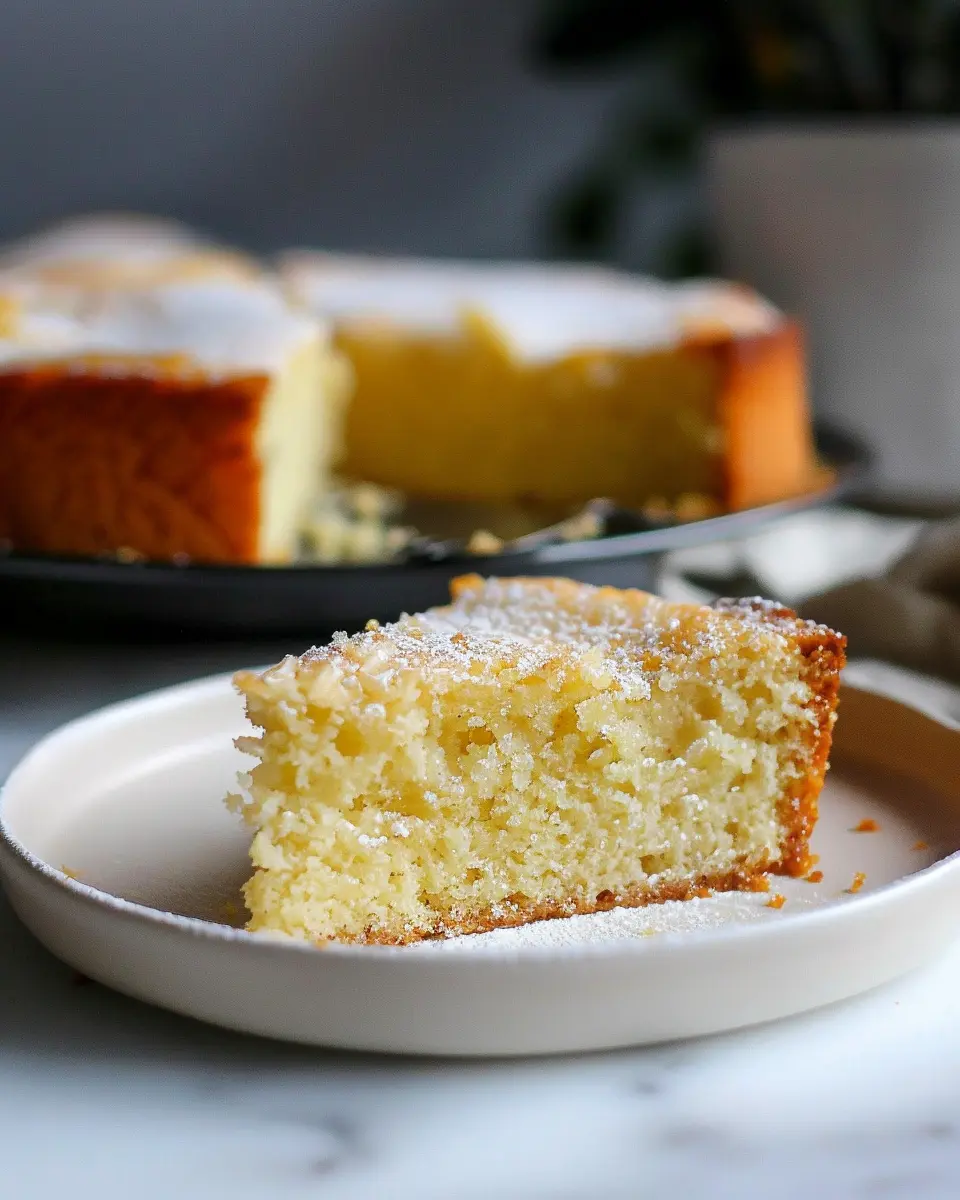
When it comes to dessert, there’s truly nothing like a homemade cake. Have you ever taken a bite of store-bought cake and felt that it lacked the personal touch? The beauty of a French Butter Cake lies in its rich flavor and tender crumb, promising an indulgent experience that fast food simply can’t compete with. But what makes homemade cakes the clear winner? Let’s dive in.
Why homemade cakes beat fast food every time
Firstly, homemade cakes are all about quality ingredients. Rather than relying on preservatives or unhealthy fillers often found in fast food options, you get to choose the finest butter, eggs, and flour. According to a study by the American Heart Association, cooking with whole ingredients significantly increases the nutritional value of a meal. Imagine creating a French Butter Cake with organic butter and free-range eggs — it’s a game changer.
Additionally, making cakes at home is a wonderful way to express your creativity. Do you want to add a twist of lemon zest or perhaps infuse the cake with vanilla? When baking, the choice is yours. Unlike fast food, which often tastes uniform and mass-produced, homemade cakes offer a personalized touch that shines through in every bite. Plus, it’s an enjoyable activity that can be shared with friends or family, making great memories in the process.
And let’s not forget the aromas wafting through your kitchen! The scent of a French Butter Cake baking can evoke nostalgic feelings and create an inviting atmosphere that fast food just can’t replicate.
Curious? Check out sources like Serious Eats for a deeper dive into baking techniques and ingredient sourcing. You’ll find that everything from how you store your butter to the type of flour you choose can influence your cake’s flavor profile.
Ultimately, indulging in a French Butter Cake isn’t just about satisfying a sweet tooth; it’s about creating something that speaks of passion, comfort, and home. So roll up your sleeves and prepare to bake something that truly brings joy!
Ingredients for French Butter Cake
Essential ingredients for a perfect cake
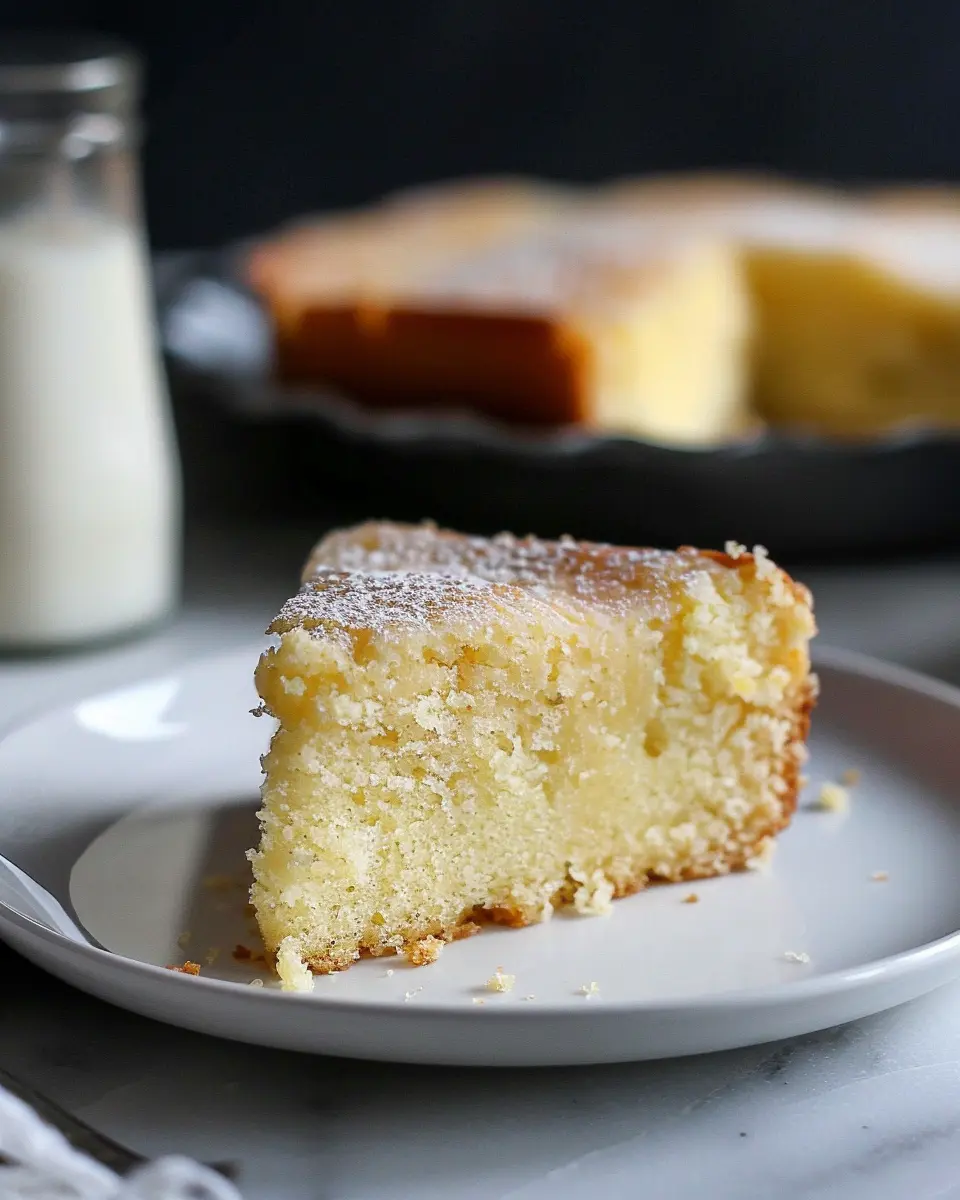
When it comes to creating a delightful French Butter Cake, the key is in the quality of the ingredients. You want your cake to be rich, moist, and bursting with flavor, so let’s gather the essentials.
- Unsalted Butter: Start with at least one cup of high-quality unsalted butter, softened to room temperature. This is the heart of your cake, contributing to its rich aroma and flavor.
- Granulated Sugar: A full cup of granulated sugar sweetens the batter beautifully. It also aids in that golden crust we all love.
- All-Purpose Flour: Use about two cups of all-purpose flour for structure. Be sure to sift it for that light texture!
- Baking Powder: About a teaspoon of baking powder gives your cake the rise it needs to achieve that perfect fluff.
- Eggs: Three large eggs add moisture and richness; don’t skip this step!
- Milk: A splash of milk (around half a cup) brings everything together, creating a luscious batter.
By prioritizing these ingredients, you’ll be well on your way to mastering the art of a French Butter Cake. For a deeper dive into baking techniques, consider checking out resources from King Arthur Baking or Serious Eats. Happy baking!
Preparing French Butter Cake
Creating a French Butter Cake is not only about making a delicious treat; it’s an experience that brings warmth and delight to any occasion. Follow these straightforward steps, and you’ll be on your way to baking this classic dessert that’s sure to impress.
Preheat and Prepare Your Baking Dish
Before starting, it’s essential to set the scene for baking, which means preheating your oven to 350°F (175°C). This warming up ensures that your cake will rise beautifully once it hits the heat. While the oven is working, take a moment to prepare your baking dish.
Select a standard 9×5 inch loaf pan or an 8-inch round cake pan, depending on your preference. Grease the pan with butter and lightly dust it with flour. This step will help the cake slide out easily once baked. If you want to elevate the flavor even more, line the bottom with parchment paper after greasing— this will both prevent sticking and make for easier cleanup later.
Cream the Butter and Sugar
Next, we get to the heart of your French Butter Cake. Let’s cream together the butter and sugar. Start with 1 cup (226g) of softened unsalted butter and 2 cups (400g) of granulated sugar. Using a hand mixer or a stand mixer, beat the mixture on medium speed until it’s light and fluffy—about 4-5 minutes. This process incorporates air into your cake batter, which is crucial for achieving that light and tender crumb we all love.
Why is this step so important? Well, a well-creamed mixture leads to a moist cake that cuts with ease. It’s also worth mentioning that the sugar helps to break down the butter, creating tiny air pockets that contribute to the cake’s structure.
Add Eggs and Vanilla Goodness
Time to bring in the eggs: you’ll want to use 4 large eggs, one at a time, ensuring each is fully incorporated before adding the next. This gradual incorporation is essential for emulsification, which results in a lovely, smooth batter.
Next, introduce the flavor! Add in 2 teaspoons of high-quality vanilla extract. It’s amazing how much a little vanilla can enhance a cake, infusing it with delicious flavor and aroma. Don’t skimp on this part; it’s the magic touch that transforms your cake from good to extraordinary.
Combine the Dry Ingredients
Now, let’s shift our focus to the dry ingredients. In a separate bowl, whisk together 3 cups (375g) of all-purpose flour, 1 tablespoon of baking powder, and a pinch of salt. This blend is crucial as it provides the structure and lift for your cake.
Gradually incorporate the dry mixture into the wet mixture, being careful not to overmix. Say, ‘yes’ to fluffy; say, ‘no’ to dense! A few gentle folds will do the trick, ensuring your cake has the right texture.
Fold in the Sour Cream for Richness
To give your French Butter Cake an extra layer of richness and moisture, gently fold in 1 cup (240g) of sour cream. The acidity in sour cream helps break down some of the gluten, resulting in a tender crumb. Additionally, it provides a delightful tang that balances the sweetness.
The batter should be thick and luscious now—if you want to add a twist, consider mixing in lemon zest for a fresh touch or some chocolate chips for a hint of decadence.
Bake to Perfection and Let Cool
Now, pour the batter into your prepared baking dish, smoothing the top with a spatula. Place it into your preheated oven and bake for about 60-70 minutes. Keep an eye out; you should see a golden-brown crust forming. To check for doneness, insert a toothpick into the center of the cake. If it comes out clean or with a few moist crumbs, you’re in business!
Once baked, let the cake cool in the pan for 10 minutes before transferring it to a wire rack. This cooling time helps the cake set, making it easier to slice later. Enjoy the sweet aroma filling your kitchen as you anticipate that first delectable bite of your French Butter Cake.
Ready to take your baking expertise to the next level? Consider visiting King Arthur Baking for more tips on cake fundamentals and inspiration. Happy baking!
Variations on French Butter Cake
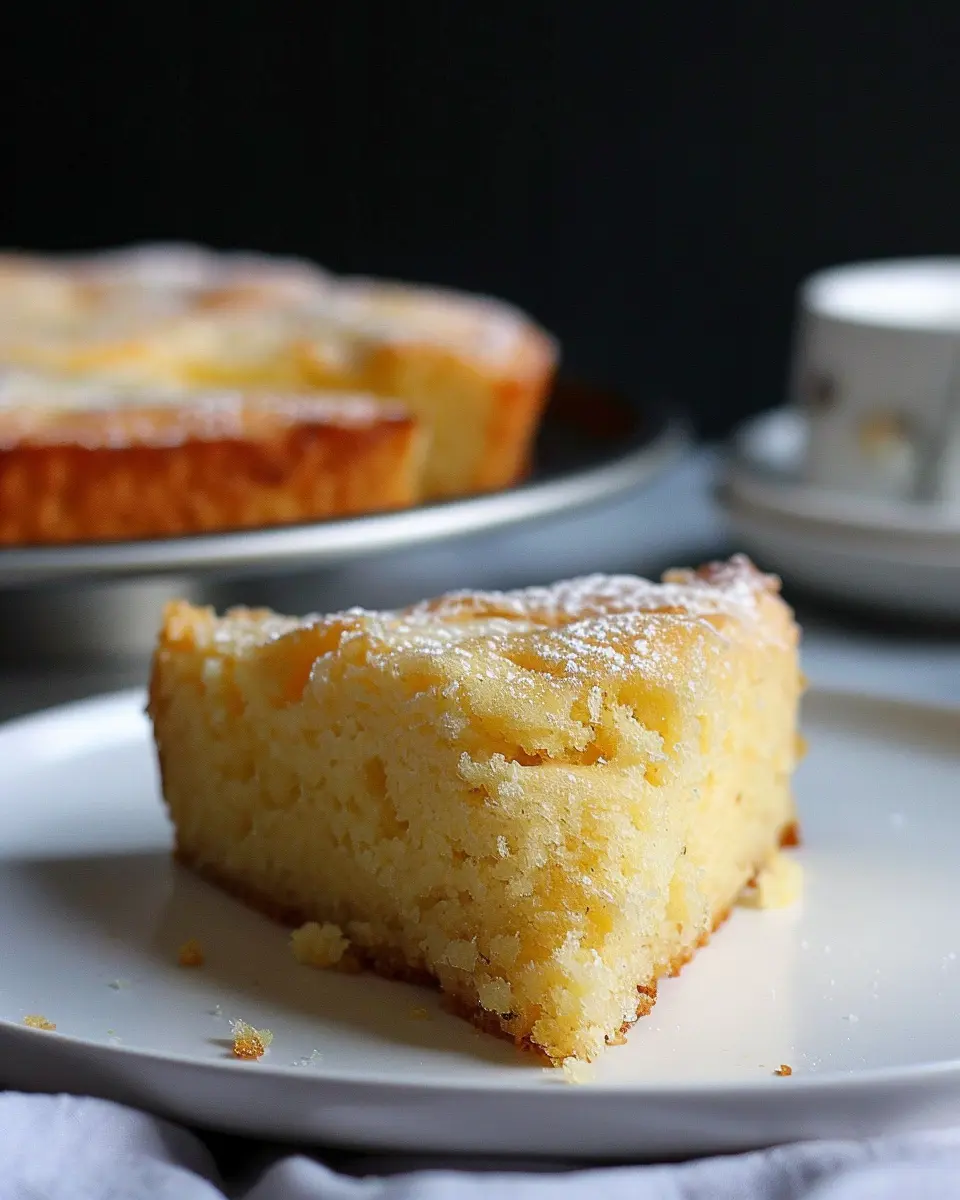
When it comes to French Butter Cake, the classic recipe is just the starting point. You can easily enhance its flavor profile with a few creative variations that add a personal touch. Let’s dive into two delightful options that will impress your friends and family.
Lemon Zest for a Citrus Twist
If you’re craving something refreshing, adding lemon zest to your French Butter Cake is a phenomenal choice. The bright, zesty flavor cuts through the richness of the butter, creating a perfectly balanced dessert. To incorporate lemon zest:
- Use one medium-sized lemon, washing it thoroughly before zesting.
- Mix the zest into your batter along with the sugar, allowing the oils to infuse throughout the cake.
Not only does this add a delightful tang, but it also makes the cake visually stunning! Want to elevate it further? Consider drizzling a simple lemon glaze (powdered sugar mixed with lemon juice) over the top once cooled. What’s better than the bright sunshine of citrus on a plate?
Chocolate Chips for a Decadent Upgrade
If you’re in the mood for something indulgent, chocolate chips are a surefire way to take your French Butter Cake to the next level. Who can resist the rich combination of buttery cake and melty chocolate? Here’s how to do it:
- Fold in one cup of semi-sweet chocolate chips into your batter right before pouring it into the baking dish.
- For an extra touch, sprinkle some chips on top before placing it in the oven.
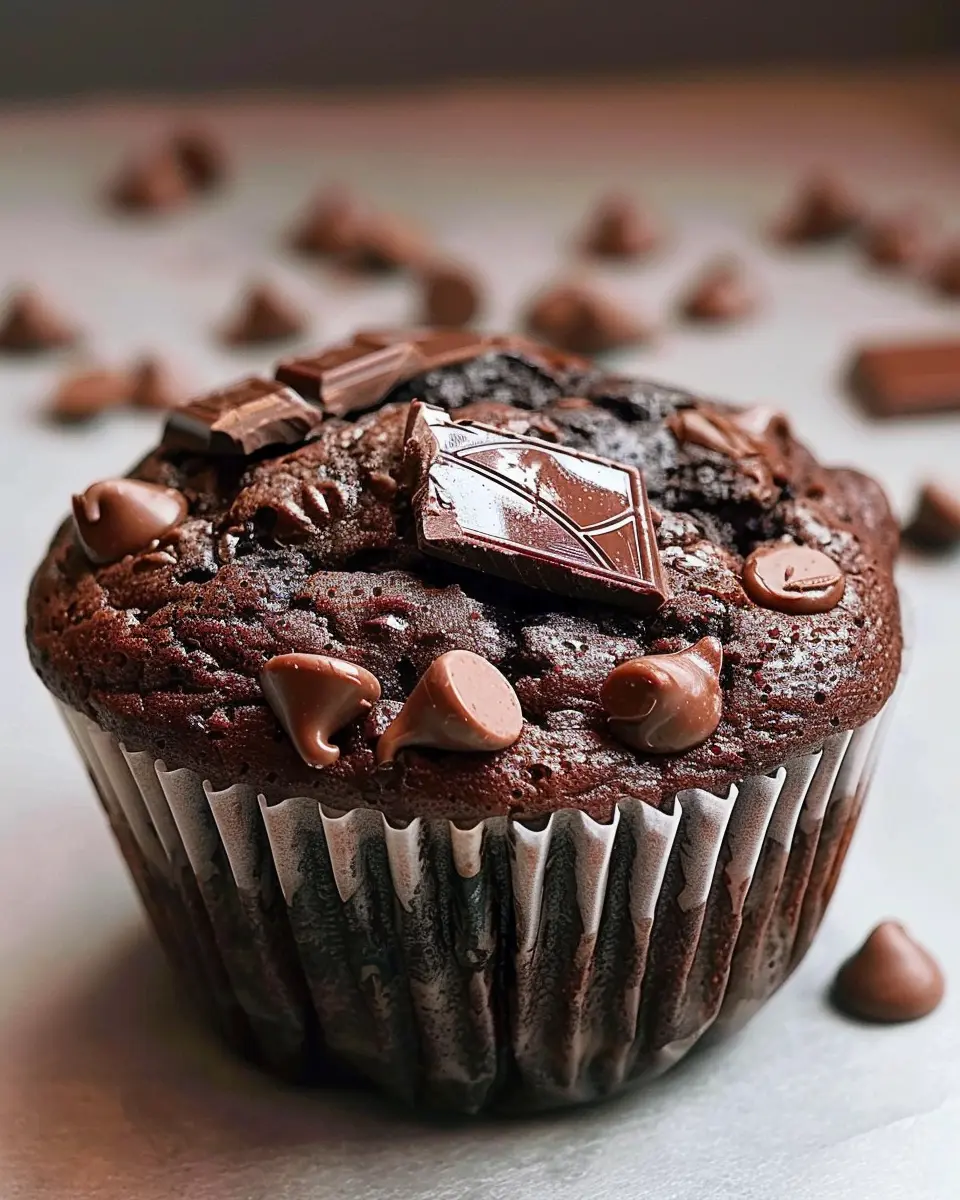
This creates a beautiful crust and surprises your taste buds with every bite. You could even explore variations with dark chocolate or white chocolate chips. Talk about decadent!
Experimenting with these variations not only makes your French Butter Cake your own, but it also gives you an excuse to bake more often. For more baking inspiration, check out The Kitchn’s Baking Tips or Serious Eats’ Dessert Recipes. Happy baking!
Baking notes for French Butter Cake
Tips for a light and airy texture
Baking a French Butter Cake can be a delightful adventure, especially when it comes to achieving that coveted light and airy texture. Here are some helpful tips to ensure your cake turns out fluffy every time:
-
Room Temperature Ingredients: Make sure your butter and eggs are at room temperature. This helps them mix together smoothly, trapping air and creating a lighter batter.
-
Creaming Method: When you cream the butter and sugar, take your time—aim for about 3 to 5 minutes. You’re not just mixing; you’re incorporating air, which is crucial for fluffiness.
-
Don’t Overmix: Once you add the dry ingredients, stir just until combined. Overmixing can lead to a dense cake.
-
Sift Dry Ingredients: Sifting flour and baking powder not only helps combine them but also aerates the mixture, resulting in a lighter bake.
For more in-depth techniques, check out this guide on baking basics from King Arthur Baking. Remember, your French Butter Cake is not just a dessert; it’s a testament to your baking skills! With these tips, you’ll impress friends and family alike. Happy baking!
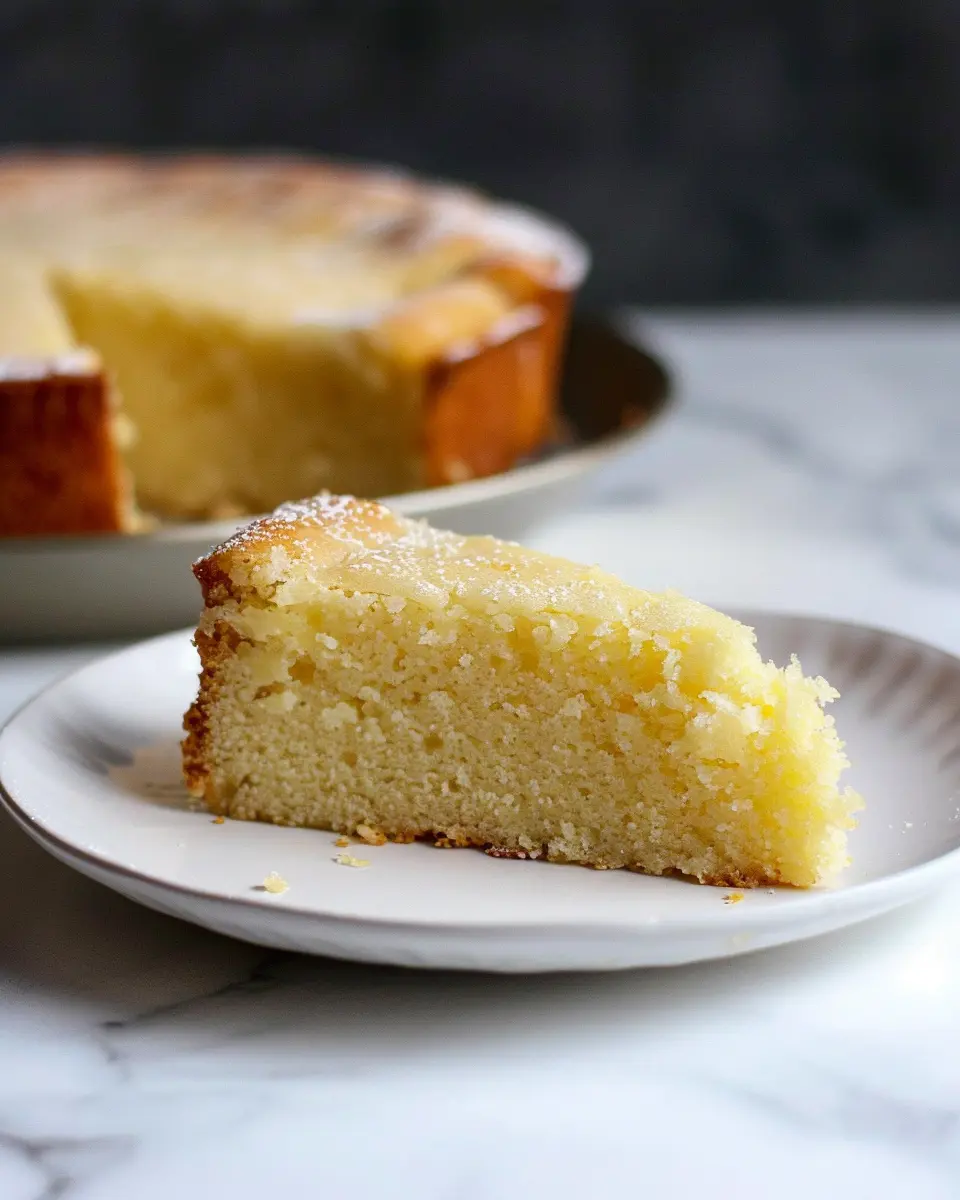
Serving Suggestions for French Butter Cake
Ideal accompaniments to elevate your cake experience
When it comes to enjoying your French Butter Cake, the right pairings can truly take it to the next level. Here are some delightful accompaniments to enhance your cake experience:
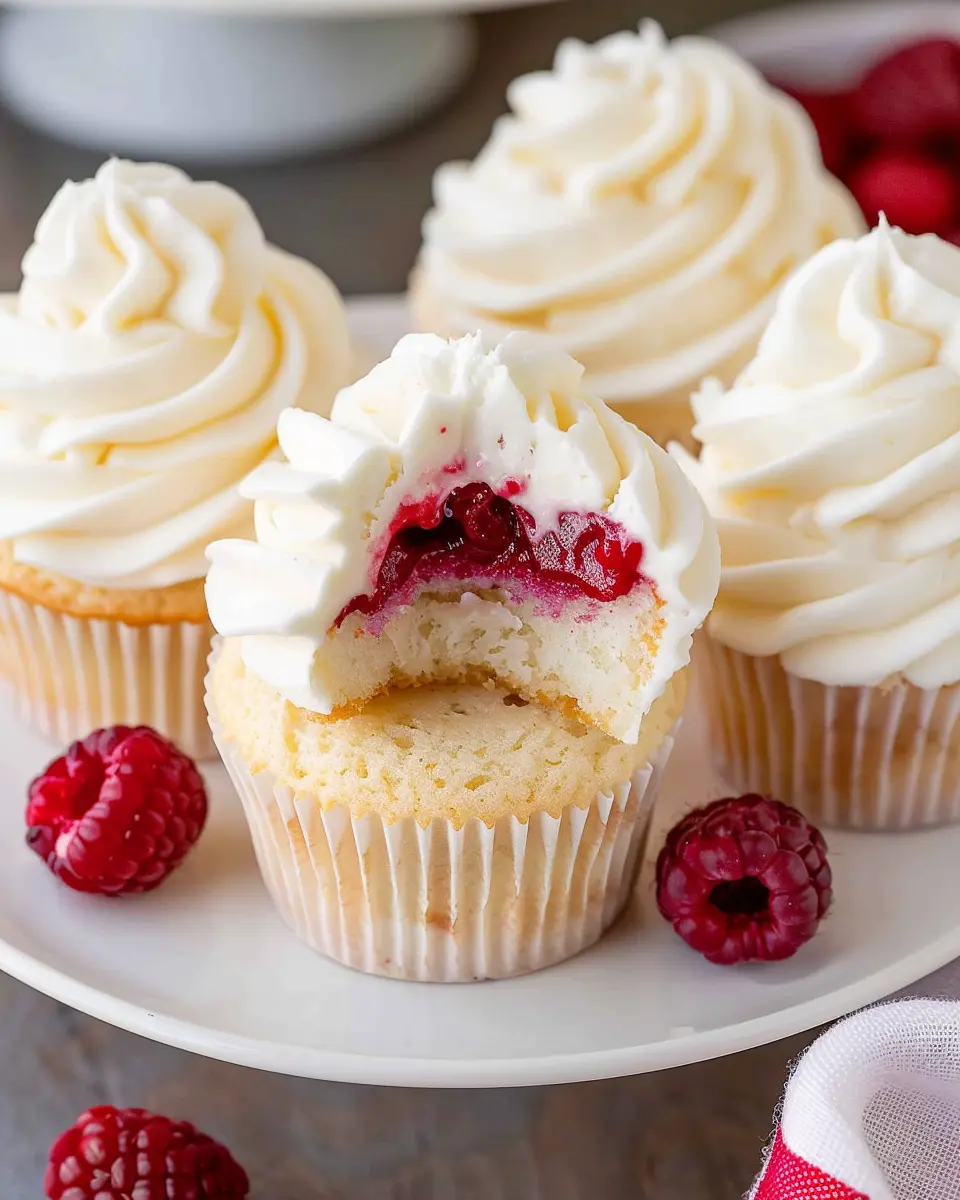
- Fresh Berries: A medley of strawberries, raspberries, and blueberries adds a burst of freshness and color. Their tartness beautifully contrasts with the rich buttery flavor of the cake.
- Whipped Cream: Light, airy whipped cream can elevate each slice. Consider sweetening it with a touch of vanilla or a sprinkle of powdered sugar for extra flavor.
- Fruit Compote: A warm fruit compote, made from seasonal fruits like peaches or apricots, can add a luscious, flavorful touch to your cake.
- Chai or Herbal Tea: Pairing your cake with a soothing chai latte or a refreshing herbal tea can create a serene afternoon moment. These beverages provide a gentle warmth that complements the cake’s richness.
Feel free to explore different flavors and textures that resonate with your palate, and share your favorite combinations! If you’re looking for more food inspiration or tips, websites like Serious Eats or Bon Appétit offer fantastic ideas that can spark creativity in your culinary adventures. Embrace experimentation; after all, the joy of French Butter Cake is in sharing!
Time details for French Butter Cake
Preparation time
Preparing your French Butter Cake may take about 15-20 minutes. This initial stage is crucial for creating that perfect blend of ingredients. Don’t rush; take the time to measure your ingredients accurately for the best results.
Baking time
Once your batter is ready, it’s time to bake! The baking process usually lasts 30-35 minutes. You’ll want to keep an eye on it, as ovens vary. A toothpick inserted into the center should come out clean when it’s done.
Total time
In total, you can expect your French Butter Cake adventure to take around 50-60 minutes from start to finish. This delightful cake can become a go-to for gatherings or a cozy night in. Try pairing it with a favorite tea or coffee blend for the perfect treat. For more baking tips, check out resources like King Arthur Baking and Serious Eats. Happy baking!
Nutritional Information for French Butter Cake
When indulging in a slice of French Butter Cake, it’s helpful to know what you’re treating yourself to. Here’s a quick breakdown of the nutritional content you can expect:
Calories
- A typical serving of French Butter Cake can range around 350-450 calories, depending on the portion size and additional toppings. It’s a delightful treat, but moderation is key!
Protein
- Each slice generally packs about 6-8 grams of protein. If you’re looking for a way to boost your protein intake, consider enjoying it alongside a protein-rich side, like a yogurt parfait.
Sodium
- This cake contains approximately 200-300 milligrams of sodium, making it a fairly low-sodium treat. For more detailed nutritional insights, check out resources like the USDA Food Composition Database or consult a registered dietitian.
Enjoying a slice of French Butter Cake is certainly a delicious way to celebrate life’s little moments. Just remember, balance is everything!
FAQs about French Butter Cake
Can I substitute ingredients in French Butter Cake?
Absolutely! One of the beautiful aspects of baking is the flexibility it offers. If you’re out of a specific ingredient or looking to tweak the recipe, consider these substitutions:
- Flour: You can opt for whole wheat flour for a slightly nuttier flavor.
- Sugar: Coconut sugar or brown sugar can be used for a richer taste.
- Butter: For a dairy-free version, use vegan butter or applesauce.
Keep in mind that these changes might affect texture or flavor, so it’s always good to experiment in small batches first.
How do I store leftover cake?
If you find yourself with leftover French Butter Cake, storing it properly will keep it delicious for days. Here’s how:
- Room Temperature: If you plan to eat it within a couple of days, wrap the cake in plastic wrap and keep it in an airtight container at room temperature.
- Refrigerator: For extended freshness, store it in the fridge, but do remember that refrigeration can affect the cake’s moisture level.
Check out the FoodSafety.gov guidelines for more storage tips.
Can I freeze French Butter Cake?
Yes, you can freeze French Butter Cake! Here’s the best way to go about it:
- Wrap It Well: Once cooled, wrap the cake tightly in plastic wrap and then in aluminum foil to prevent freezer burn.
- Label It: Don’t forget to label your cake with the date so you know when it was frozen.
To enjoy later, simply thaw it overnight in the fridge or on the counter at room temperature. For tips on proper freezing techniques, you might find this article from the USDA helpful.
By addressing these common questions, I hope you feel more prepared to whip up your own French Butter Cake masterpiece!
Conclusion on French Butter Cake
Embracing homemade cake in your life
Baking a French Butter Cake is more than just a recipe; it’s an invitation to savor simple pleasures. The act of combining rich butter, eggs, and flour fosters creativity in your kitchen. Have you ever noticed how the aroma of a cake baking can elevate your mood? With each bite, you not only taste the love and care put into it but also connect with age-old culinary traditions.
By incorporating homemade cakes into your routine, you can create memorable moments with friends and family. So, why not dust off that mixing bowl and bring a slice of joy into your life? And when you do, be sure to share your delightful creations with others! For more baking inspiration, check out The Kitchn’s guide to baking basics.
PrintFrench Butter Cake: The Best Indulgent Recipe for Home Bakers
Indulge in the rich and buttery goodness of French Butter Cake, a delightful treat perfect for home bakers.
- Prep Time: 20 minutes
- Cook Time: 60 minutes
- Total Time: 1 hour 20 minutes
- Yield: 12 servings
- Category: Dessert
- Method: Baking
- Cuisine: French
- Diet: Vegetarian
Ingredients
- 1 cup unsalted butter, softened
- 2 cups granulated sugar
- 4 large eggs
- 3 cups all-purpose flour
- 1 tablespoon baking powder
- 1/2 teaspoon salt
- 1 cup whole milk
- 2 teaspoons vanilla extract
Instructions
- Preheat the oven to 350°F (175°C).
- Grease and flour a bundt cake pan.
- In a large bowl, cream the butter and sugar until light and fluffy.
- Add the eggs one at a time, mixing well after each addition.
- In another bowl, whisk together the flour, baking powder, and salt.
- Gradually add the dry ingredients to the creamed mixture, alternating with the milk and vanilla.
- Pour the batter into the prepared pan and smooth the top.
- Bake for 50-60 minutes, or until a toothpick inserted comes out clean.
- Let the cake cool in the pan for 10 minutes, then invert onto a wire rack to cool completely.
Notes
- For extra flavor, add a zest of lemon or orange.
- This cake pairs well with fresh berries or whipped cream.
Nutrition
- Serving Size: 1 slice
- Calories: 350
- Sugar: 30g
- Sodium: 200mg
- Fat: 18g
- Saturated Fat: 11g
- Unsaturated Fat: 5g
- Trans Fat: 0g
- Carbohydrates: 45g
- Fiber: 1g
- Protein: 4g
- Cholesterol: 100mg