Introduction to German Pancakes
What are German pancakes, and why should you try them?
When you think of pancakes, you might envision a fluffy stack drenched in syrup. But have you ever experienced the delight of German pancakes? Also known as Dutch babies, these unique creations are like a cross between a pancake and a popover, resulting in a light and airy texture that’s sure to impress anyone at your breakfast table.
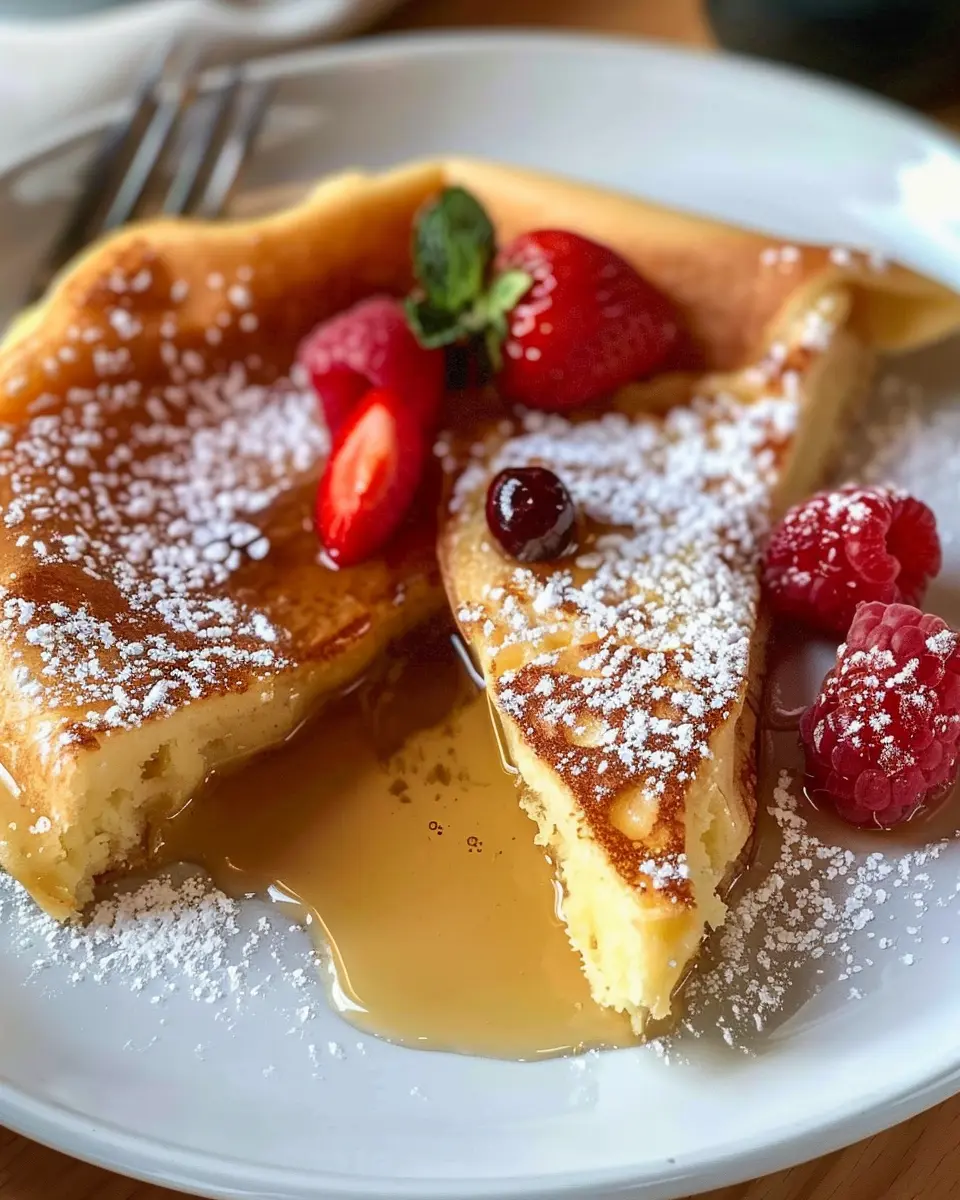
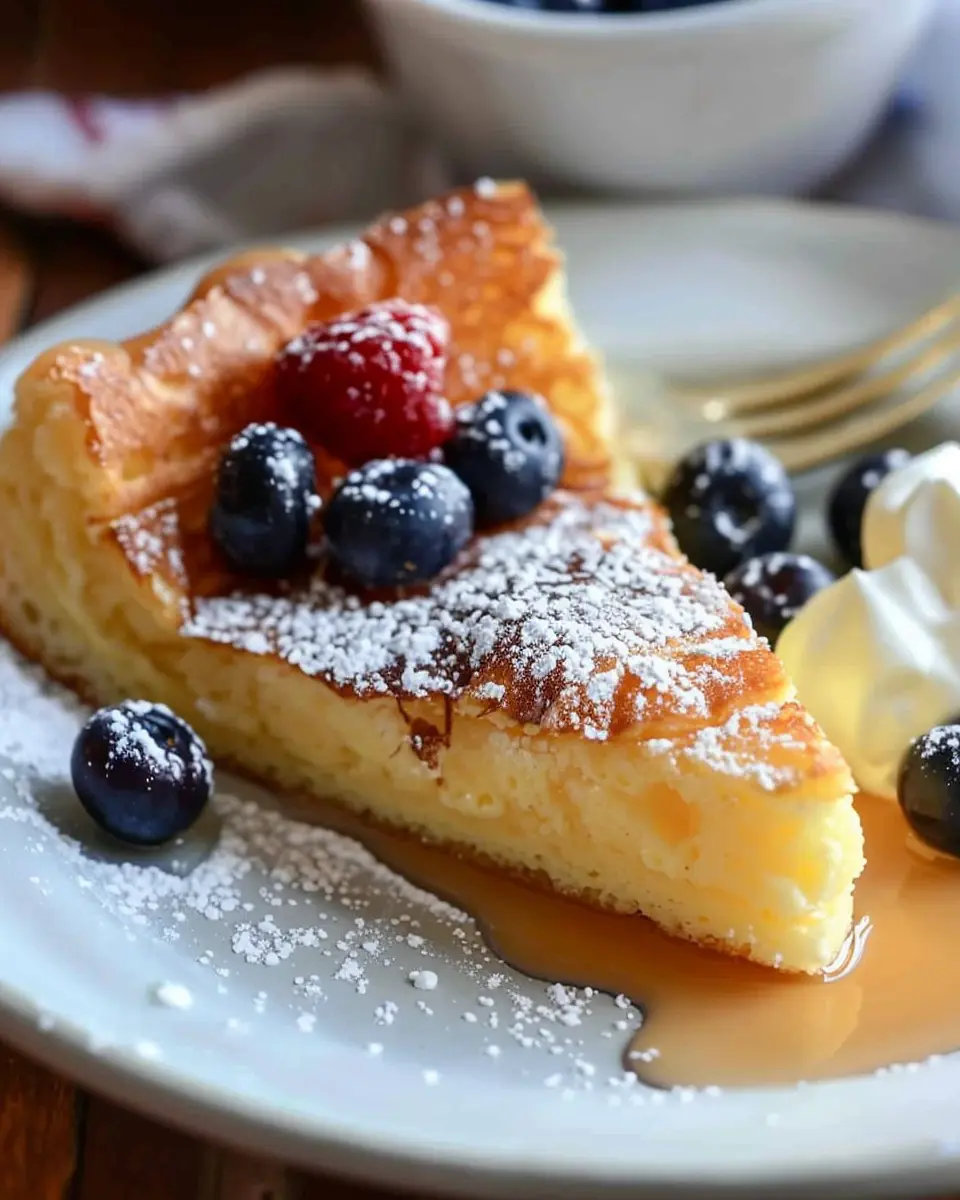
So, what sets them apart? The batter is made from simple ingredients—flour, eggs, milk, and a touch of sugar—whisked together and poured into a hot, buttered skillet. As they bake, they puff up beautifully, forming golden-brown edges that are crisp, while the center remains soft and custard-like. Can you already picture the delightful moment of slicing into one, revealing its airy texture?
Why should you consider making German pancakes? For starters, they are incredibly versatile. Top them with fresh fruits like berries, sliced bananas, or even caramelized apples for a delicious twist. You can also sprinkle them with powdered sugar or serve them with maple syrup for a more traditional breakfast feel. If you’re feeling adventurous, why not try pairing them with turkey bacon or chicken ham for a heartier meal?
Additionally, these pancakes can be whipped up in just about 20 minutes—perfect for those busy weekday mornings or leisurely weekend brunches with friends. And if you’re looking for a fun way to impress your guests, they’ll be wowed by how effortlessly elegant these puffy delights appear.
Plus, they’re a great opportunity to experiment with flavors. You can infuse them with vanilla or even lemon zest for an extra zing. Check out BBC Good Food for more creative topping ideas that can elevate your pancake game.
In a nutshell, if you haven’t explored the world of German pancakes, you’re missing out on a delightful breakfast experience that marries simplicity with elegance. So why not give them a try? You might just find your new favorite way to enjoy pancakes!
Ingredients for German Pancakes
Essential ingredients for a tasty batch
When it comes to whipping up delicious German pancakes, you’ll want to gather a few essential ingredients to create that fluffy, cloud-like texture everyone loves. Here’s what you’ll need:
- Eggs: Fresh are best—they give structure and lift.
- Milk: Whole or 2% will add creaminess to your batter.
- All-purpose flour: This is crucial for that classic pancake consistency.
- Butter: For that rich flavor, melted and poured into your batter.
- Salt: Just a pinch enhances all the flavors beautifully.
- Vanilla extract: A splash provides a sweet aroma that you’ll adore.
Combining these ingredients will yield a delightful breakfast or brunch treat that can be customized with your favorite toppings like fruit, syrup, or even Turkey Bacon or Chicken Ham.
Gluten-free adaptations
If you’re looking to make your German pancakes gluten-free, it’s quite easy! Just swap out the all-purpose flour for a gluten-free blend. Many are available on the market, like those from Bob’s Red Mill or King Arthur Flour. You might want to add a bit of xanthan gum if your blend doesn’t include it, as this can help replicate the texture of traditional flour.
Also, consider using almond or oat milk as alternatives to regular milk for an added boost in flavor. Rest assured, these swaps won’t sacrifice that fluffy goodness you crave!
For further nutritional options, check resources like the Gluten Intolerance Group. Enjoy your cooking journey!
Preparing German Pancakes
Welcome to the delightful world of German pancakes, where simplicity meets deliciousness! These fluffy treats are perfect for breakfast or brunch and even make a fantastic dessert when topped with fresh fruit or a sprinkle of powdered sugar. Let’s walk through the preparation step-by-step, ensuring you nail this recipe every time.
Preheat the oven and prepare the baking dish
The first step in crafting your flavorful German pancakes is to get that oven fired up. Preheat it to 425°F (220°C). This high temperature is crucial as it creates the lovely puffiness that defines these pancakes.
While your oven is working hard, you’ll want to prep the baking dish. Grab a 9×13-inch casserole dish and add about 1/2 cup of unsalted butter. Place it in the oven to melt as it preheats. The soft, melted butter contributes to that irresistible taste and helps create a crispy edge on your German pancakes. If you’re looking for non-stick options, consider using a ceramic or non-stick pan for an easier cleanup later on.
Blend the batter ingredients
Now for the fun part—mixing your batter! You’ll need the following ingredients to create a rich, fluffy texture:
- 6 large eggs
- 1 cup all-purpose flour
- 1 cup milk (whole or low-fat works well)
- 1/4 teaspoon salt
- 1 teaspoon vanilla extract (for added flavor)
In a blender, combine all the ingredients and blend until smooth, about 20-30 seconds. This step ensures that your batter is lump-free and airy. You can also use a whisk or electric mixer if you prefer; just be careful not to over-mix. You want all the goodies combined without destroying that wonderful fluffiness.
Pour the batter over melted butter
Once your batter is blended to perfection, it’s time to pour it into your prepared dish. Carefully remove the melted butter from the oven (watch out for hot splashes!) and pour the batter directly over the melted, bubbling butter. Don’t worry; it might seem counterintuitive, but this is part of the German pancakes magic! The butter will rise to the edges while baking, giving the pancakes that sought-after crispy edge while keeping the center fluffy and soft.
Bake to perfection
Place your dish back in the oven and allow it to bake for 20-25 minutes. As the German pancakes bake, they will puff up, transforming into a golden brown marvel. It’s essential to resist the temptation to open the oven door during this time—trust the process! You’ll know they’re done when the edges are crispy and a bit browned, and the center is set.
For an added twist, consider sprinkling some cinnamon or nutmeg over the batter before baking for a warm, cozy flavor. You can also experiment with herbs or spices that resonate with you.
Remove and serve
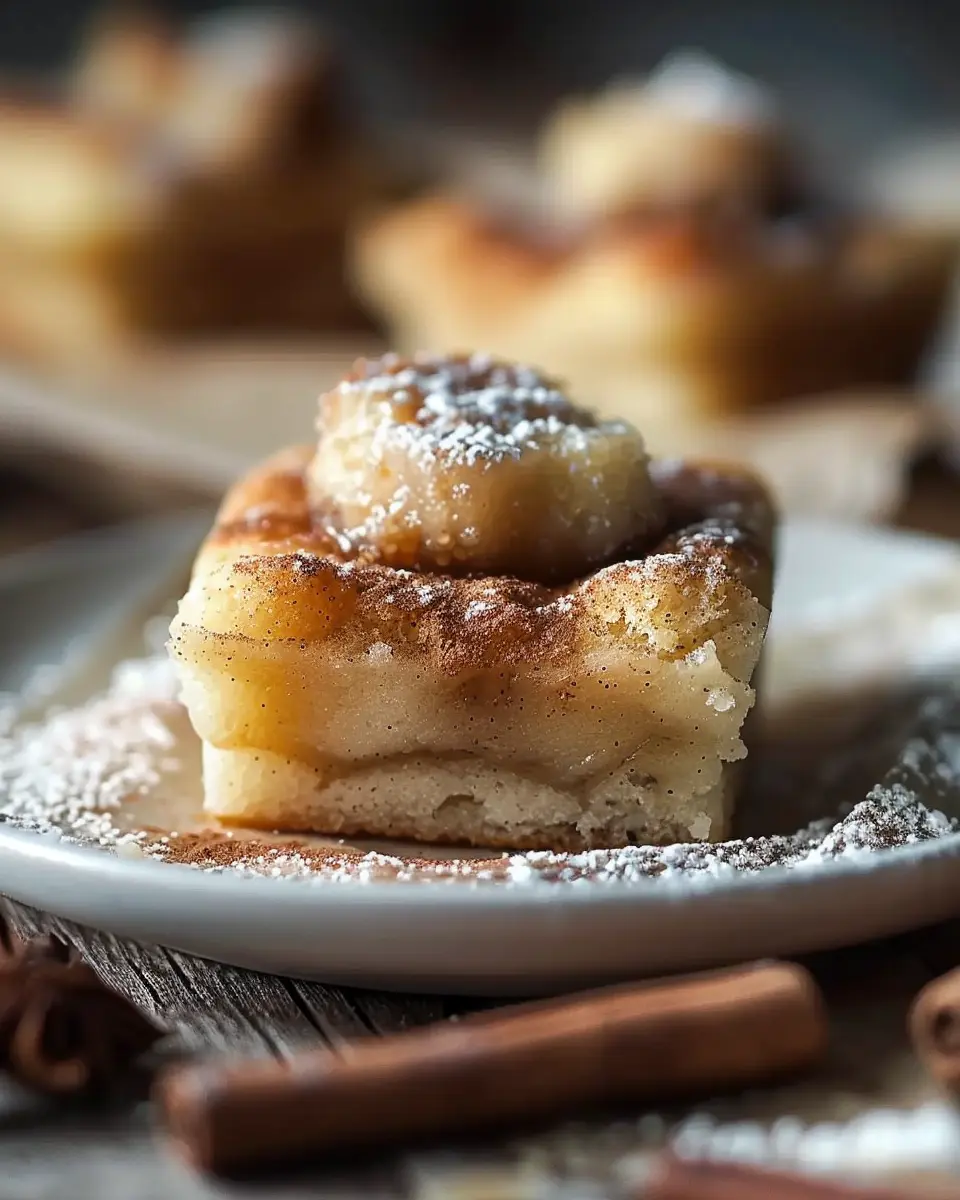
Once your German pancakes are fully baked, take them out of the oven and let them cool for just a moment. You’ll notice they might deflate slightly, which is completely normal. For serving, slice them into squares or wedges and enjoy them warm.
Top with your favorites—fresh berries, a drizzle of maple syrup, or even slices of turkey bacon or chicken ham for a savory twist. Feeling adventurous? A dollop of whipped cream never hurts!
For more tips on enhancing your breakfast repertoire, check out straightforward guides like King Arthur Baking for baking basics or Bon Appétit for creative toppings.
Now you’re ready to impress your friends or simply indulge in some cozy comfort food! Happy cooking!
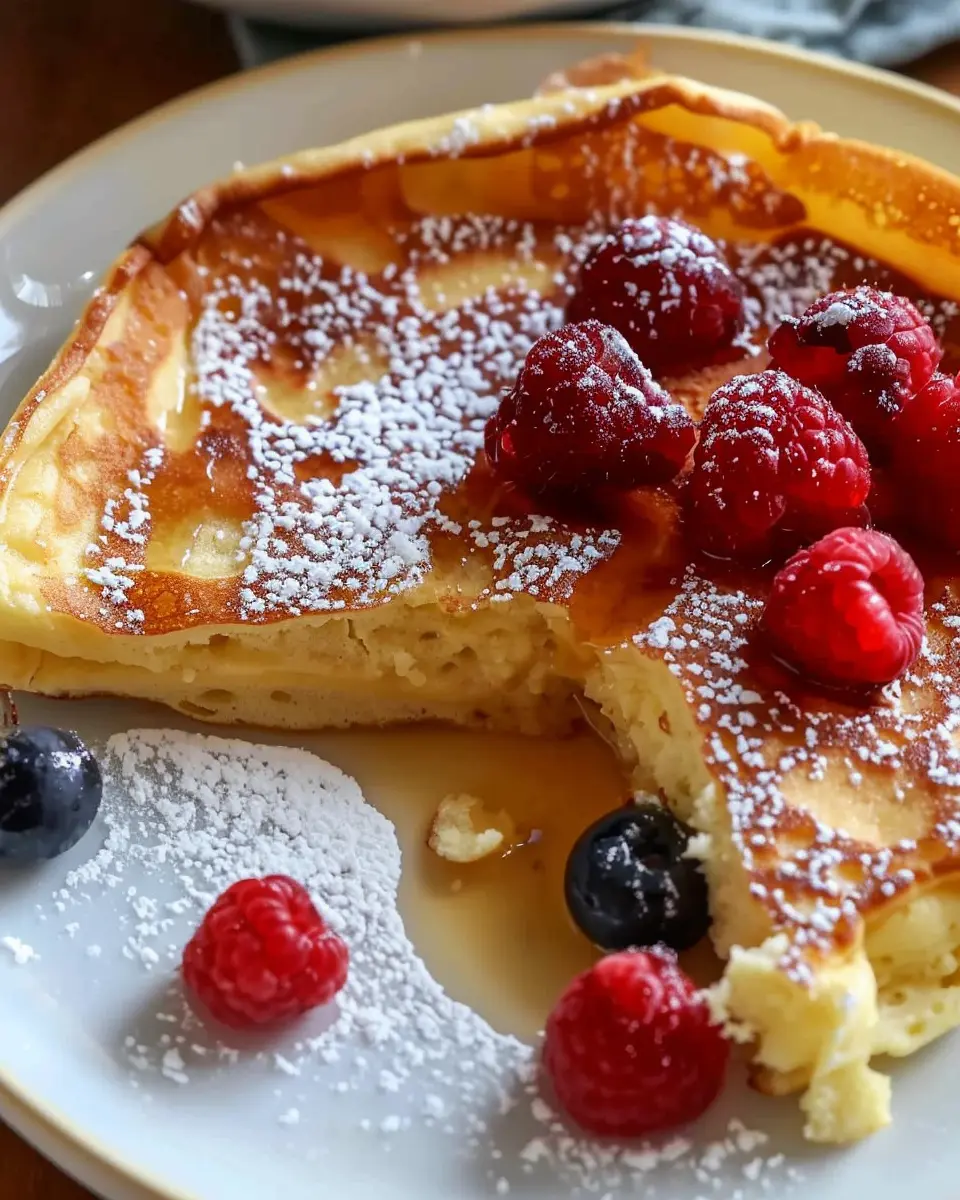
Variations on German Pancakes
German pancakes, with their airy texture and rich flavor, are incredibly versatile. Let’s explore some delightful variations that cater to both sweet and savory cravings.
Sweet options: Fruits and Syrups
For those who have a sweet tooth, consider topping your German pancakes with a variety of fresh fruits. Think juicy strawberries, ripe bananas, or tangy blueberries. A sprinkle of powdered sugar can elevate the presentation, making breakfast feel a bit more special.
Don’t forget the syrup! Maple syrup is a classic, but you can also try drizzling honey or even a rich chocolate sauce for a decadent twist. If you’re feeling adventurous, a dollop of whipped cream alongside fresh berries can make your pancakes not just a meal, but a memorable experience.
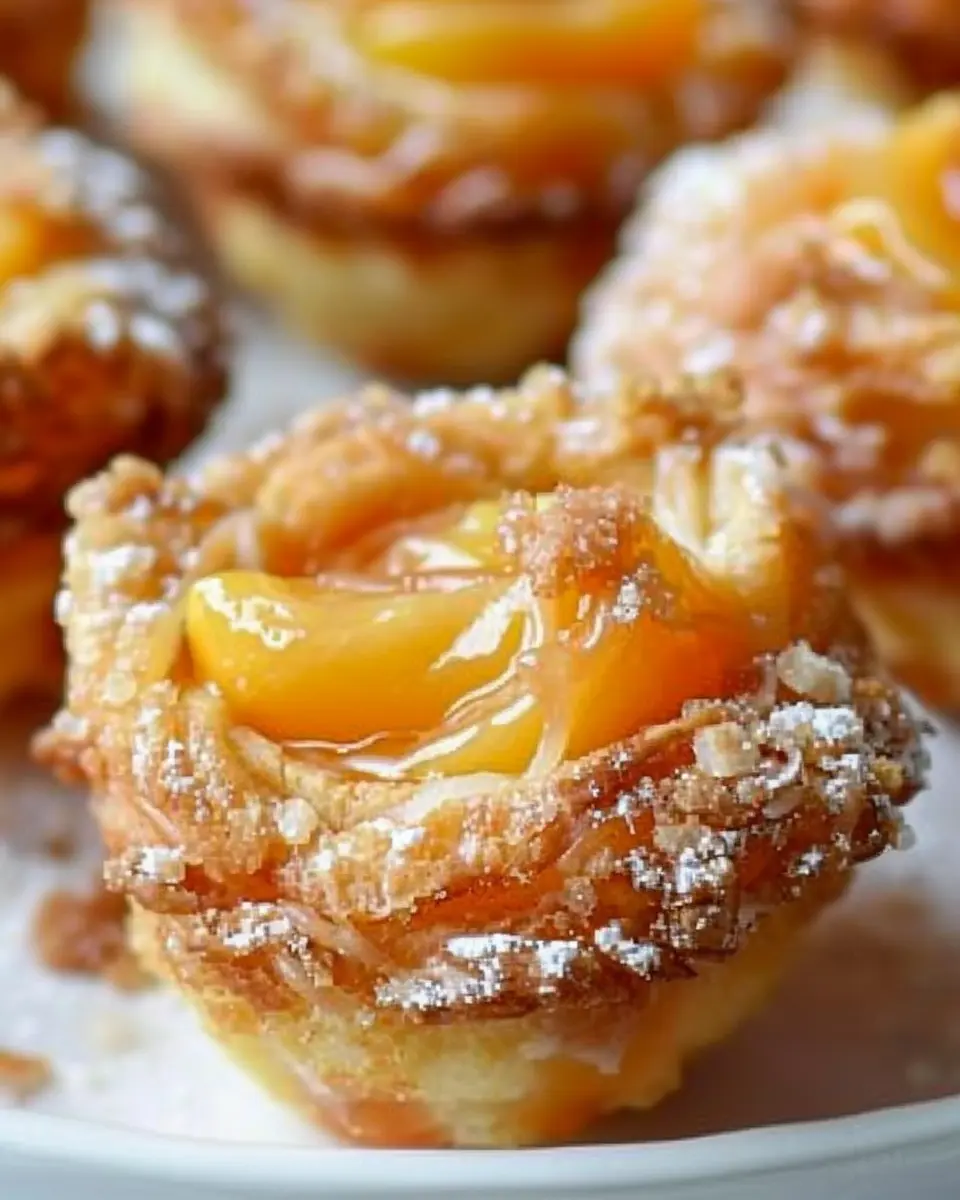
Moreover, for a seasonal touch, add spiced apple compote or a peach topping during summertime. Each variety brings out a unique flavor, making every bite reminiscent of homemade goodness. Explore more sweet topping ideas on resources like Food52.
Savory delights: Cheese and Vegetables
If you’re leaning toward savory, the possibilities are just as exciting! Stuff your German pancakes with cheese, like a creamy goat cheese or sharp cheddar. Add in some sautéed vegetables, such as spinach, peppers, or mushrooms for a hearty breakfast that could easily double as lunch.
You can even take it up a notch by incorporating turkey bacon or chicken ham into the mix. Just imagine the savory explosion of flavors with each bite. This savory twist makes German pancakes an all-day option.
Experiment with herbs like chives or parsley for that added flair. For more ideas on savory pancakes, check out Serious Eats.
Whichever variation you choose, remember that the beauty of German pancakes lies in their flexibility—so get creative!
Cooking tips and notes for German Pancakes
Avoiding common pitfalls
When making German pancakes, it’s essential to get the temperatures right. Start with a hot oven and a preheated skillet or baking dish, as this ensures your batter puffs up beautifully. A common mistake is not blending the batter enough, which can lead to a dense texture. Aim for a smooth, well-combined mix. Additionally, don’t skip the resting time; allow the batter to sit for about 10 minutes for optimal fluffiness.
Tips for making the pancakes fluffy
To achieve the ultimate fluffy German pancakes, consider these tips:
- Use room temperature eggs: They whip better, lending more air to the batter.
- Don’t overload with toppings: While your favorite fresh fruits or a drizzle of syrup can be tempting, too many will weigh down the pancake.
- Experiment with whole milk: For additional creaminess, try whole milk or even buttermilk instead of skim.
Feeling adventurous? Check out this helpful guide for tips on perfecting your pancakes!
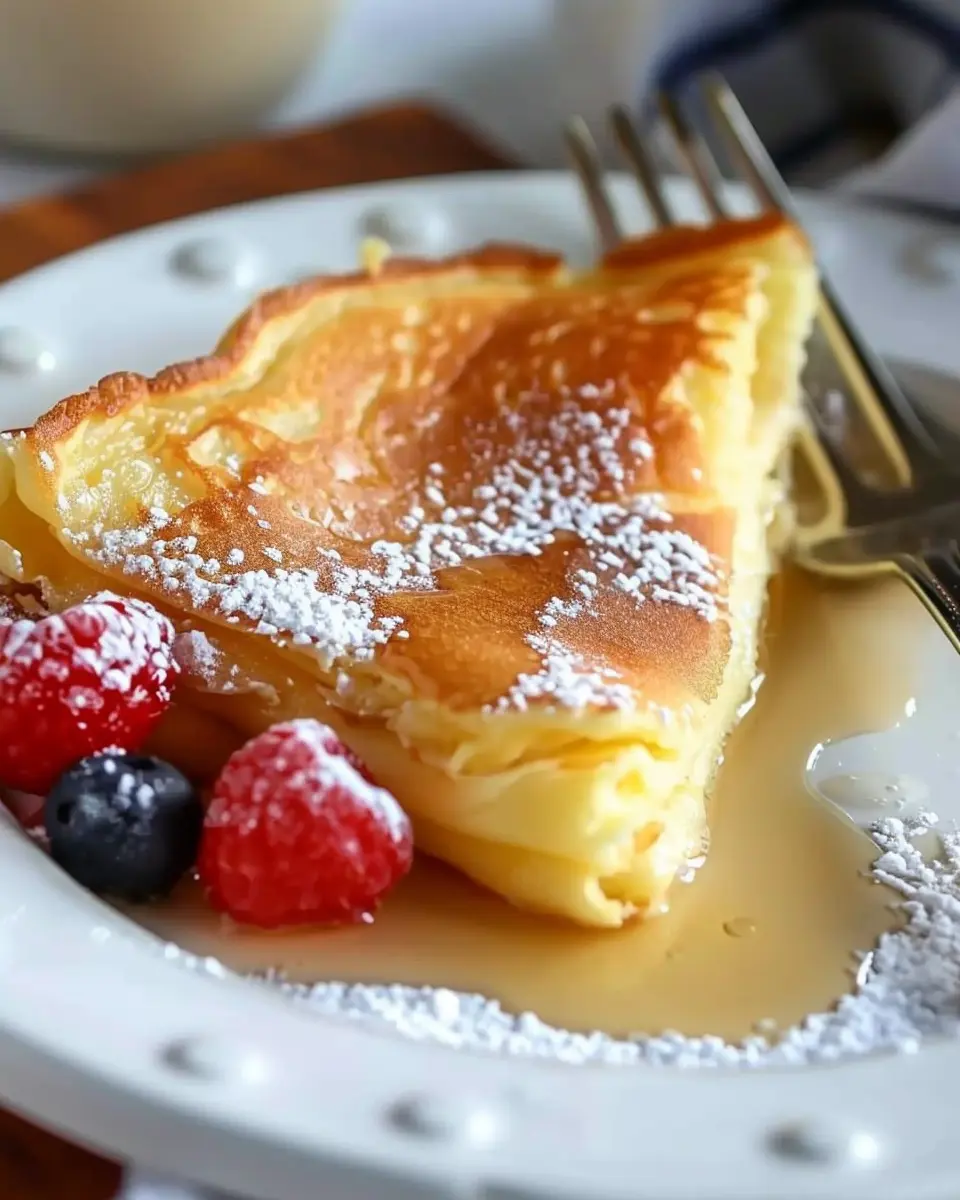
Serving suggestions for German Pancakes
Creative Presentation Ideas
When serving German pancakes, presentation can elevate a simple dish into a delightful experience. Consider using a large, colorful platter to showcase individual pancakes stacked with flair. Dust them liberally with powdered sugar for a visually appealing touch, or drizzle warm maple syrup in an artistic swirl. Fresh fruits—like berries or sliced bananas—can add a vibrant pop of color and freshness. You might even think about adding a dollop of whipped cream or yogurt for an extra creamy texture, making your brunch spread more enticing.
Pairing Suggestions for a Complete Meal
To create a well-rounded meal featuring German pancakes, think about incorporating sides that complement their fluffy texture. Here are some ideas:
- Turkey Bacon or Chicken Ham: These leaner options pair perfectly, providing a savory contrast to the sweetness of the pancakes.
- Scrambled Eggs: A classic choice, scrambled eggs with herbs can elevate your brunch game.
- Fresh Fruit Salad: A light, refreshing side adds a healthy element to the meal.
For an exquisite touch, serve your pancakes with freshly squeezed orange juice or herbal teas. Want more breakfast ideas? Check out Food Network for flavorful recipes?
Time Breakdown for German Pancakes
When you’re excited to whip up some German pancakes, it’s helpful to know how much time you’ll need. Here’s a quick breakdown to help you plan your cooking adventure.
Preparation Time
The preparation for German pancakes is a breeze, taking about 10 minutes. You’ll need to gather ingredients like eggs, flour, and milk, and mix them up with a whisk.
Bake Time
Baking takes around 20 minutes. During this time, you can set the table, prepare some fresh fruit toppings, or even cook some delicious turkey bacon or chicken ham for a hearty meal.
Total Time
In total, you’re looking at about 30 minutes from start to finish. This makes German pancakes a great option for busy mornings or a delightful brunch with friends.
For more tips on making the perfect pancake, check out Serious Eats.
Nutritional Facts for German Pancakes
When whipping up German pancakes, it’s good to know what you’re serving.
Calories
Each serving of German pancakes contains approximately 175 calories, making them a satisfying yet light breakfast option. They offer a delightful indulgence without the calorie overload, perfect as a weekend treat or a special brunch item.
Protein
With about 6 grams of protein per serving, these pancakes help keep you fuller for longer. The added protein can be beneficial, especially if you’re fueling up for a busy day.
Carbohydrates
In terms of carbohydrates, you’ll find around 20 grams per serving, primarily sourced from the flour used. If you’re conscious about your carb intake, it’s easy to customize this recipe to fit your dietary needs.
For more detailed insights on nutrition, check out sources like ChooseMyPlate.gov or NutritionData.
FAQs about German Pancakes
Can I make German pancakes ahead of time?
Absolutely! German pancakes—a delightful twist on traditional flapjacks—can be made ahead of time with ease. You can prepare the batter the night before and store it in the refrigerator. This allows the flavors to meld beautifully. When you’re ready to cook, simply give it a quick stir and pour it into the pan. For optimal fluffiness, make sure to let the batter come to room temperature before cooking.
How do I store leftovers?
Leftovers of German pancakes are a treat in their own right! After enjoying your breakfast, allow the pancakes to cool to room temperature. Then, store them in an airtight container in the refrigerator; they’ll be good for about 3-4 days. Reheating them in the oven or toaster oven keeps them nice and fluffy, making them almost as delicious as freshly made. If you’re a fan of meal prepping, consider freezing individual portions wrapped in plastic wrap and then foil, which can last up to two months.
What can I use instead of butter?
If you’re looking for alternatives to butter, there are plenty of options when making German pancakes. Coconut oil or vegetable oil can work well and will still give you that lovely texture. For a healthier touch, try using applesauce or mashed bananas in your batter for added moisture and sweetness. These swaps not only cater to dietary preferences but also offer new flavor profiles to explore.
For more tips on variations and ingredients, check out Serious Eats or Food Network for inspiration. Enjoy your German pancake adventure!
Conclusion on German Pancakes
Why German pancakes should be your new go-to dish
German pancakes are not just a breakfast treat; they’re a versatile dish that can fit easily into any meal. Imagine serving them for brunch topped with fresh berries and a drizzle of maple syrup, or even savory with chicken ham or turkey bacon. Their unique puffiness and airy texture make them a delightful canvas for a variety of toppings.
Plus, they’re incredibly easy to whip up on a busy morning or for an impromptu gathering. You’re looking at a crowd-pleaser that impresses without the fuss! For more inspiration on elevating your breakfast game, check out resources like Epicurious or Food Network.
PrintGerman Pancakes: The Best Fluffy Delight with Turkey Bacon
Experience the delightful taste of German Pancakes, perfectly fluffy and paired with crispy turkey bacon.
- Prep Time: 10 minutes
- Cook Time: 25 minutes
- Total Time: 35 minutes
- Yield: 4 servings
- Category: Breakfast
- Method: Baking
- Cuisine: German
- Diet: Gluten-free option available
Ingredients
- 1 cup all-purpose flour
- 1 cup milk
- 4 large eggs
- 1/4 cup melted butter
- 1 teaspoon vanilla extract
- 1/4 teaspoon salt
- 4 slices turkey bacon
Instructions
- Preheat your oven to 425°F (220°C).
- In a mixing bowl, whisk together the flour, milk, eggs, melted butter, vanilla extract, and salt until smooth.
- Pour the batter into a greased baking dish.
- Bake for 20-25 minutes, or until the edges are golden brown and puffy.
- While the pancakes are baking, cook the turkey bacon in a skillet until crispy.
- Remove the pancakes from the oven, slice, and serve topped with turkey bacon.
Notes
- For sweeter pancakes, add sugar to the batter.
- Serve with fresh fruit or syrup if desired.
Nutrition
- Serving Size: 1 pancake
- Calories: 200
- Sugar: 2g
- Sodium: 300mg
- Fat: 8g
- Saturated Fat: 3g
- Unsaturated Fat: 4g
- Trans Fat: 0g
- Carbohydrates: 25g
- Fiber: 1g
- Protein: 10g
- Cholesterol: 200mg