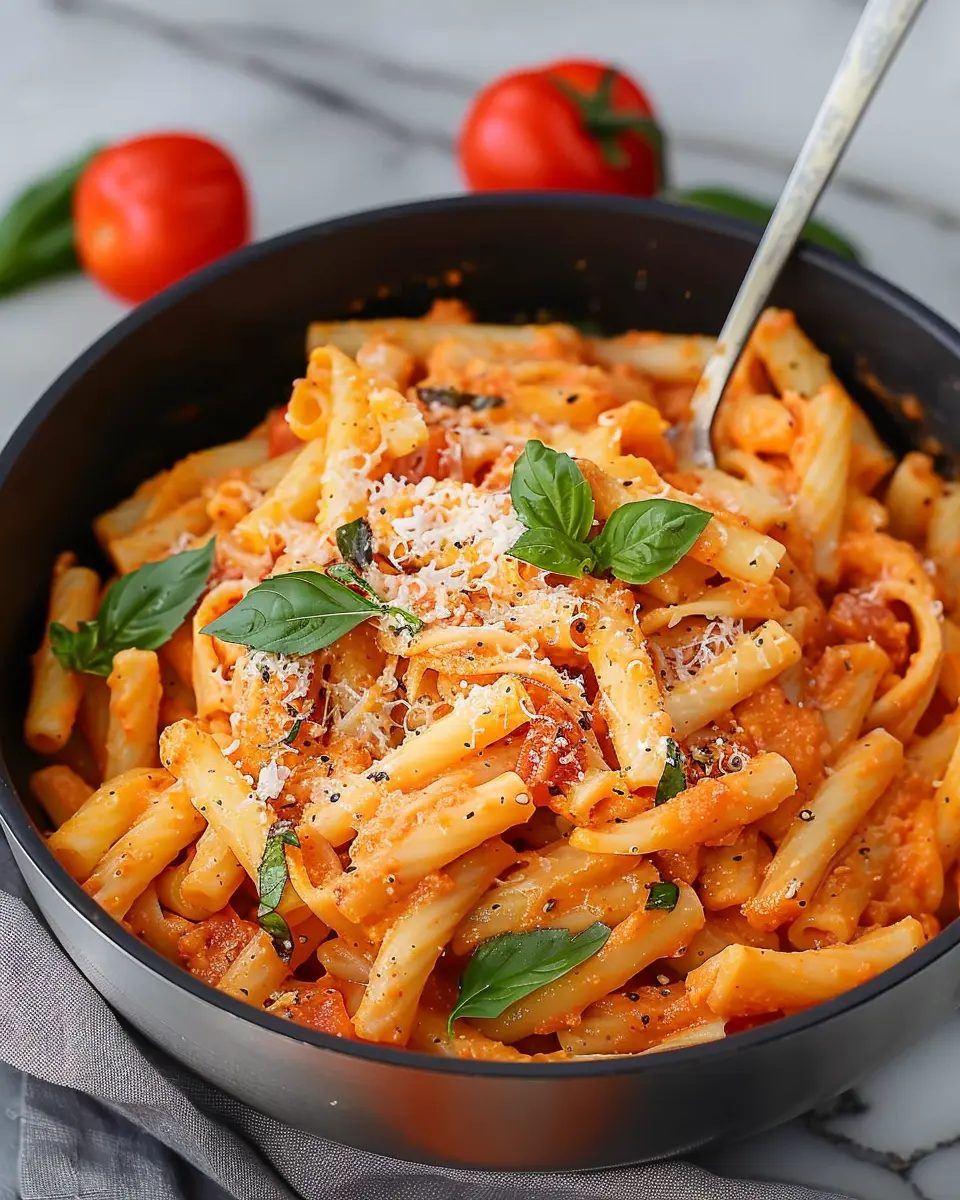
Introduction to Tomato Ricotta Pasta Recipe
When it comes to comfort food, few dishes compete with the appeal of a homemade pasta meal. It’s more than just about feeding your stomach—it’s a way to nourish the soul. Picture this: a steaming bowl of pasta, beautifully draped in a rich, tangy tomato sauce, and generously topped with creamy ricotta. That’s precisely what our tomato ricotta pasta recipe brings to your table.
Why homemade pasta dishes are a must-try
Homemade pasta dishes offer an unmatched burst of flavor and freshness, setting them apart from store-bought options. You might wonder, why bother making it from scratch? Here are a few reasons to inspire you:
- Quality ingredients: When you create your own dishes, you have full control over the ingredients. You can opt for organic tomatoes, fresh herbs, and high-quality cheese, ensuring every bite is full of taste.
- Healthier options: Crafting your own meals allows you to cut down on unhealthy additives. By choosing whole-wheat pasta or incorporating more vegetables, you can customize your dishes to fit your dietary preferences.
- Creative expression: Cooking is an art form, and making pasta can be an expression of creativity. Imagine adding your twist to a classic dish, turning it into something uniquely yours. The possibilities are endless.
Statistics show that homemade meals contribute to overall healthier eating habits, with a study indicating that people who cook at home tend to consume more fruits and vegetables (source: Harvard T.H. Chan School of Public Health).
Plus, crafting meals in your kitchen can become a fun and bonding experience with friends or loved ones. Have you ever had a pasta night, complete with team efforts in rolling dough and sharing laughs? It’s those moments that make cooking worthwhile.
Our tomato ricotta pasta recipe is straightforward yet full of flavor, making it perfect for even the busiest of weeks. You’ll find it’s easy to prepare, delicious, and fulfilling. Ready to get cooking? Let’s dive into the ingredients and steps that will make this dish a hit in your home!
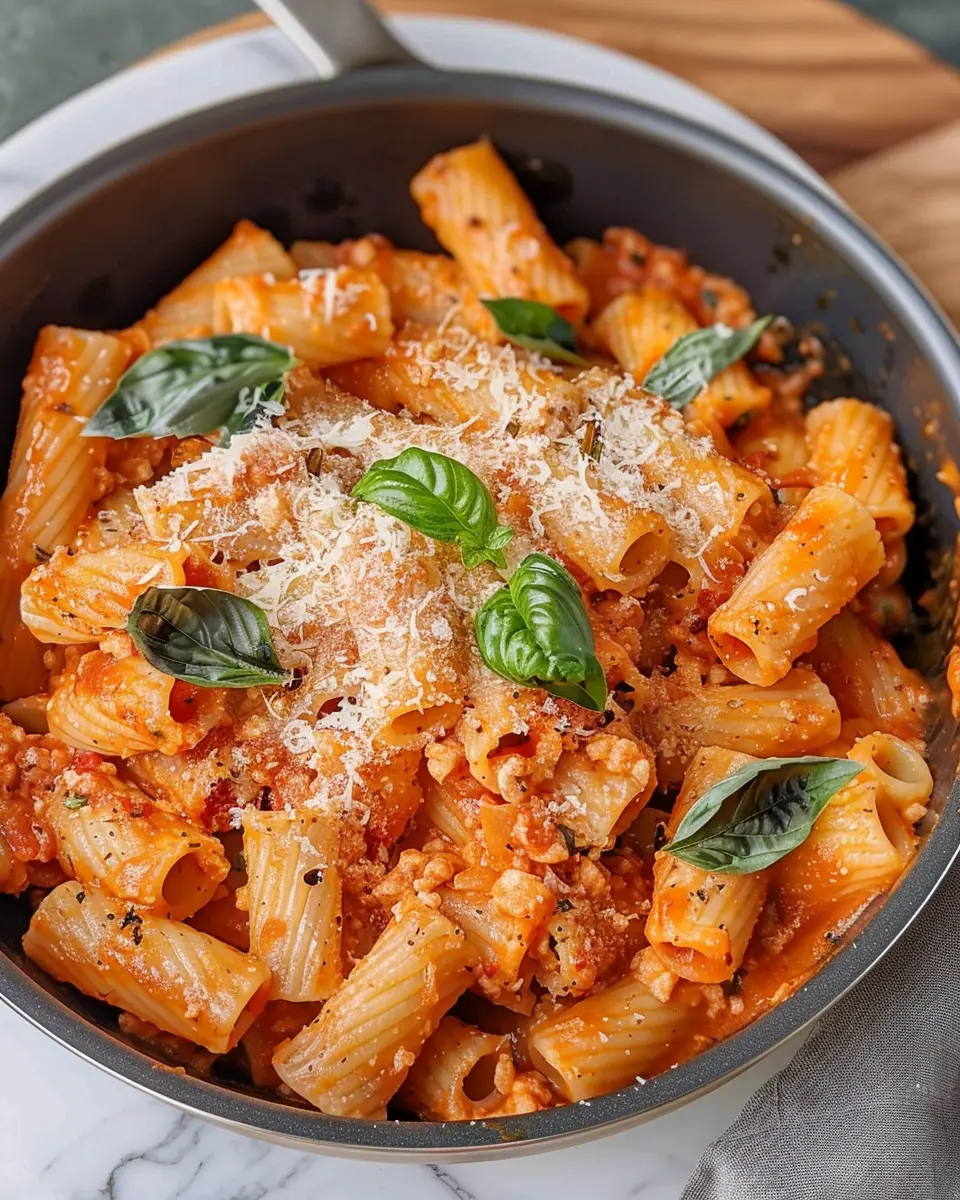
Ingredients for Tomato Ricotta Pasta
When it comes to crafting a delightful tomato ricotta pasta recipe, having the right ingredients is key to achieving that creamy, savory perfection. Here’s a straightforward list of essential items you’ll want to gather for this delectable dish.
Essential items for a delicious meal
- Pasta of your choice: Opt for spaghetti or penne; both work wonderfully.
- Fresh tomatoes: Look for juicy, ripe varieties like Roma or heirloom for a lovely sauce.
- Ricotta cheese: This adds creaminess and balances the tomatoes’ acidity beautifully.
- Olive oil: A splash will elevate the flavors and give your dish a silky finish.
- Fresh garlic: Invest in good garlic for that aromatic base.
- Basil: Fresh basil leaves not only enhance flavor but also add a fragrant aroma.
- Salt and pepper: Essential seasonings to taste.
- Turkey bacon or Chicken ham: Optional, but they offer a delicious protein boost.
You can find a lot of these ingredients at your local farmer’s market or grocery store—fresh produce makes all the difference! Don’t forget to check out this guide to choosing the best pasta for more tips. Enjoy the cooking process; it’s all about the love you put into it!
Step-by-Step Preparation of Tomato Ricotta Pasta
Let’s dive right into making a delicious tomato ricotta pasta recipe that’s sure to impress your friends and elevate your weeknight meals. With fresh ingredients and some straightforward steps, you’re on your way to a delightful dish.
Gather all your ingredients
Before you start, it’s essential to gather everything you’ll need. Here’s a quick list of the ingredients for your tomato ricotta pasta:
- Pasta: Choose your favorite shape, like penne or fusilli.
- Tomatoes: Fresh ripe tomatoes or canned diced tomatoes. Either works well!
- Olive oil: A must for sautéing and flavor.
- Garlic: Fresh garlic cloves for that aromatic touch.
- Onion: A small onion or shallot adds sweetness.
- Ricotta cheese: The star of your dish, creamy and smooth.
- Basil: Fresh basil leaves for garnish and flavor.
- Salt and pepper: To taste.
- Turkey bacon or chicken ham (optional): For a protein boost.
Having everything laid out not only makes cooking smoother but also keeps the fun in the process!
Sauté the aromatics
Heat about two tablespoons of olive oil in a large skillet over medium heat. Once the oil is shimmering, add chopped onion and sauté until they’re soft and translucent – about 3-4 minutes. Then, toss in minced garlic and cook for another minute until fragrant.
Pro tip: Garlic burns quickly, so watch it closely! Aromatics are what build the flavor foundation of your pasta dish. While onions and garlic are typical anchor ingredients, you can add a pinch of red pepper flakes for some heat if you like it spicy. Check out more about the importance of aromatics in cooking here.
Prepare the tomato sauce
Once the aromatics are ready, it’s time to add the tomatoes. If you’re using fresh tomatoes, roughly chop them and toss them into the skillet; canned tomatoes can go straight in. Stir well, just letting them simmer for about 10-15 minutes until they break down and become saucy. Season with salt and pepper to taste, and feel free to add a splash of vegetable broth for added depth.
Don’t forget to chop some fresh basil to sprinkle in at this stage! According to many chefs, incorporating fresh herbs in cooked sauces can transform a simple dish into something extraordinary.
Cook the pasta
While your tomato sauce is simmering, cook the pasta according to the package instructions. When it’s al dente, reserve a cup of pasta water, then drain the rest. That reserved water is liquid gold for helping your sauce stick later, so don’t forget it!
Combine the pasta and sauce
Once your pasta is ready and drained, add it directly to the skillet with your tomato sauce. Toss everything together so the pasta is well coated with that flavorful mixture. If the sauce seems too thick, you can add a little of that reserved pasta water until it reaches your desired consistency.
Mix in the ricotta
Next, it’s time to fold in the ricotta. This creamy cheese brightens up the dish and adds a luxurious mouthfeel. Consider mixing a bit of lemon zest into the ricotta for a fresh kick—trust me, it’s a game changer!
Serve and enjoy
Now that your tomato ricotta pasta is beautifully plated, it’s time to serve! Garnish with fresh basil and perhaps a sprinkle of parmesan or a dash of extra virgin olive oil for that finishing touch. Dive in and enjoy the symphony of flavors that you’ve crafted from scratch. Share this dish with friends or keep it all to yourself—either way, it’s bound to be a hit!
Cooking is all about experimenting and finding joy in the process, and with this easy recipe, you’re well on your way. Happy cooking!
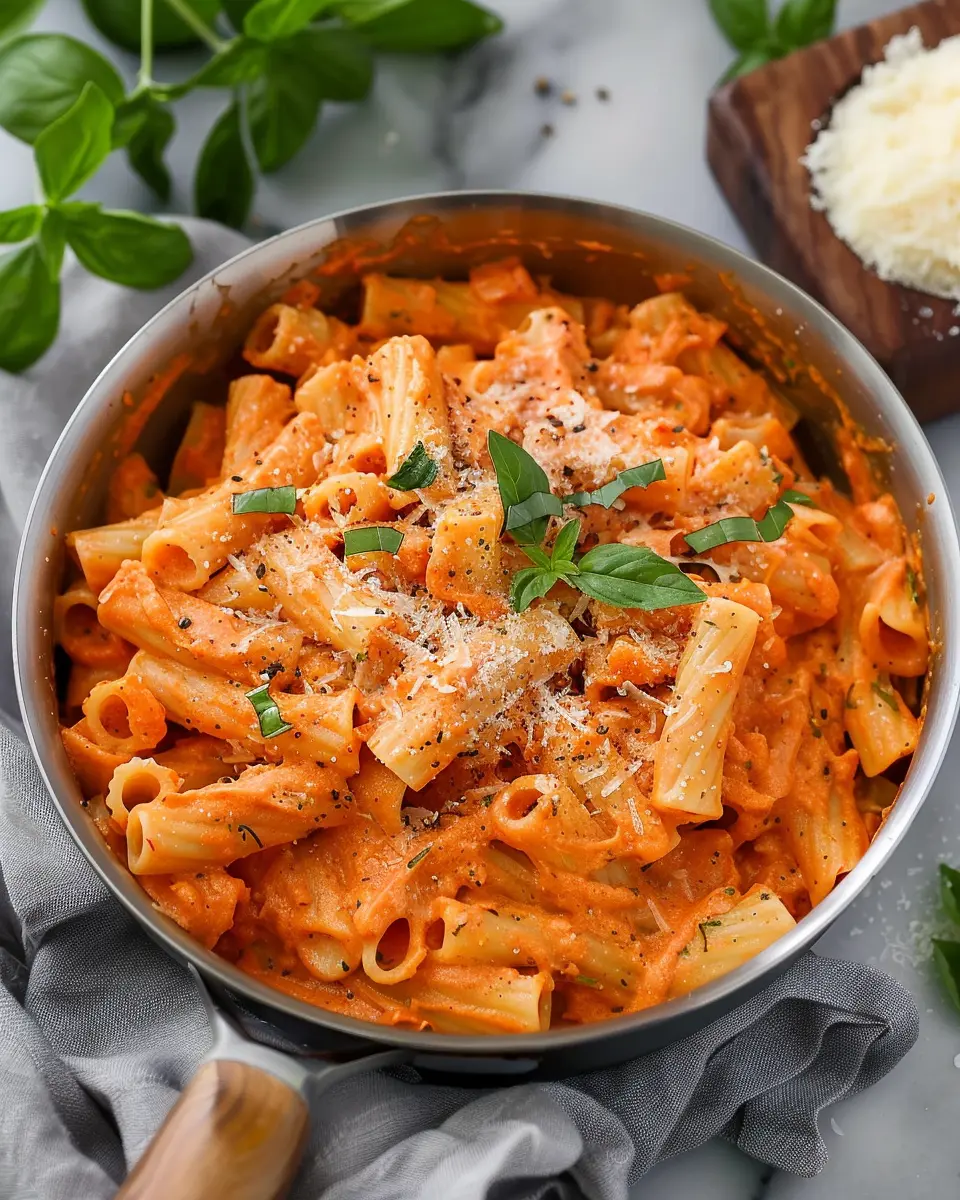
Variations on Tomato Ricotta Pasta
Ready to elevate your tomato ricotta pasta recipe? Here are some creative variations that cater to different tastes and dietary preferences. Whether you’re looking to boost the protein or make it veggie-friendly, we’ve got you covered!
Add Some Protein: Grilled Chicken or Turkey Bacon
Want to make your dish heartier? Consider adding grilled chicken or crispy turkey bacon. Not only will they enhance the flavor profile, but they also provide valuable protein that can leave you feeling satiated.
To integrate these proteins:
- Grilled Chicken: Simply season your chicken breast with salt, pepper, and Italian herbs, then grill it until fully cooked. Slice it and toss it in with your pasta for a delicious twist.
- Turkey Bacon: Cook it until it’s crispy, chop it into bite-sized pieces, and stir it into your pasta just before serving. The smoky taste of turkey bacon can add a delightful crunch that’ll surprise your palate!
Make It Veggie-Friendly: Add Spinach or Zucchini
For those aiming for a lighter fare or simply trying to sneak more veggies into their meal, adding spinach or zucchini is a fantastic option. Spinach will wilt beautifully into your warm pasta, while zucchini can be spiralized for a noodles-like texture.
Here’s how to incorporate them:
- Spinach: Toss in a handful of fresh spinach during the last minute of cooking. It will degrade a little, giving your dish a lovely pop of color and nutrition.
- Zucchini: Slice or spiralize it and lightly sauté with garlic beforehand, then mix it with your tomato ricotta pasta for a fresh crunch.
Experiment with these variations and discover your favorite combination! For more inspiration, check out this article on healthy pasta variations. Enjoy your culinary adventure!
Cooking Tips and Notes for Tomato Ricotta Pasta
The Importance of Seasoning
When crafting your tomato ricotta pasta recipe, never underestimate the power of seasoning. A pinch of salt enhances the flavor of ripe tomatoes and elevates the whole dish. Don’t shy away from experimenting with herbs like basil or oregano—adding fresh herbs right at the end can give your meal a rustic, garden-fresh aroma. Tailor your seasonings based on what resonates with your palate. Got a favorite spice? Toss it in!
Tips for Achieving Creamy Sauce Consistency
Creamy sauce is the heart of your tomato ricotta pasta. Start by using full-fat ricotta for that luxurious texture. If the sauce feels too thick after incorporating the ricotta, add a splash of pasta cooking water, as the starch helps create a silky consistency. Remember, blending your ricotta until smooth before adding it to the sauce can make a huge difference. Also, consider letting the sauce simmer a bit to allow flavors to meld, making the entire dish even more delightful.
For more inspiration, you can check out resources like Bon Appétit and Serious Eats for tips on pasta preparation and freshness. Happy cooking!
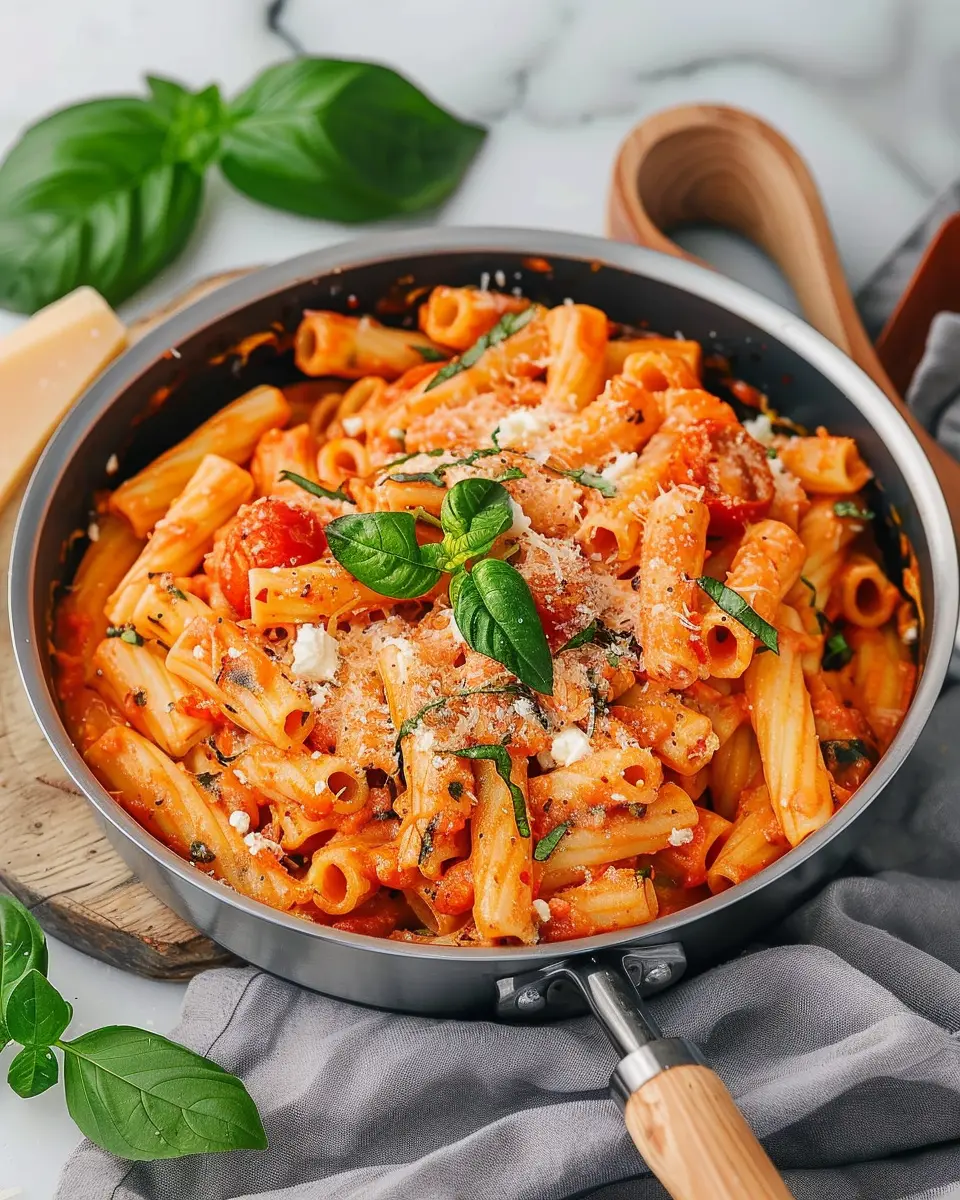
Serving Suggestions for Tomato Ricotta Pasta
Pair with a fresh salad
Enhancing your tomato ricotta pasta recipe is easy! A vibrant, fresh salad can elevate your meal, adding texture and nutrition. Consider a classic arugula salad dressed with olive oil and lemon juice. The peppery notes of arugula will contrast beautifully with the creamy ricotta and tangy tomatoes. You could also toss in some cherry tomatoes, cucumbers, and a sprinkle of feta for an extra layer of flavor. For a deep dive into salad pairings, check out The Kitchn’s guide on perfect salads.
Complement with garlic bread or a light side
Nothing screams comfort like garlic bread served alongside your pasta dish. The crispy, buttery bread is perfect for soaking up any extra sauce on your plate. Alternatively, if you’re looking to keep it lighter, sautéed spinach or a side of roasted vegetables can add a nutritious companion without overshadowing the star of your meal. Adding these sides not only balances your plate but also boosts its visual appeal. Remember, presentation is key—dining is as much about the eyes as it is about the taste!
Time Breakdown for Tomato Ricotta Pasta
Preparation time
Getting ready for your tomato ricotta pasta recipe is quick and easy! You’ll need about 10 minutes to gather all your ingredients. This includes chopping your fresh tomatoes and herbs, measuring out your ricotta, and cooking up some turkey bacon if you choose to add it.
Cooking time
Once you’re all set, the cooking process takes about 20 minutes. You’ll sauté the tomatoes, cook the pasta, and blend everything with creamy ricotta until lovely and dreamy.
Total time
In total, you’re looking at around 30 minutes from start to finish. Perfect for a weeknight dinner! With these quick steps, you’ll have a delicious and comforting dish that’s sure to impress. Check out more about cooking pasta perfectly here.
Want to make it a festive occasion? Consider pairing it up with a simple salad for a complete meal!
Nutritional Facts for Tomato Ricotta Pasta
When diving into this delightful Tomato Ricotta Pasta recipe, it’s helpful to consider the nutritional benefits it brings. Here’s a quick breakdown of what to expect:
Calories
A hearty serving of tomato ricotta pasta typically contains around 350-400 calories. This makes it a satisfying yet manageable meal option for any night of the week.
Protein Content
With the inclusion of ricotta cheese, this dish packs a flavorful punch of protein—about 15-20 grams per serving. It’s a great way to boost your protein intake without heavy meats.
Sodium Levels
One concern with many pasta dishes is sodium content. Thankfully, this tomato ricotta pasta contains approximately 600-800 mg of sodium. Opt for low-sodium options when available, especially to manage your daily intake.
Overall, this pasta is a nutritious choice that balances flavor and health. Want to learn more about pasta nutrition? Check out the USDA FoodData Central for more details!
FAQs about Tomato Ricotta Pasta
Can I make this recipe ahead of time?
Absolutely! The tomato ricotta pasta recipe is perfect for meal prepping. You can cook the pasta and prepare the sauce a day or two in advance. Simply store them separately in airtight containers in the refrigerator. When you’re ready to eat, just reheat everything on the stove or in the microwave. For optimal flavor, though, I recommend making the dish fresh if you have the time. Leftovers can be delightful, but certain flavors intensify after resting, so they may taste even better the second day!
What alternatives can I use for ricotta?
If you’re looking for alternatives to ricotta, there are a few options that can maintain the creamy texture of your pasta dish. Here are some great substitutes:
- Cottage Cheese: Blended for a smoother consistency, it works beautifully.
- Cream Cheese: Mix with a touch of milk for a richer flavor.
- Greek Yogurt: Offers a tangy twist while keeping it creamy and healthy.
- Tofu: Silken tofu can be blended to mimic ricotta’s texture, making it great for a plant-based version.
Feel free to experiment with these alternatives based on your dietary preferences!
Is this dish freezer-friendly?
Yes, it is! While some dishes may lose texture after freezing, this tomato ricotta pasta holds up quite well. To freeze, cool the dish completely before transferring it to an airtight container. It can last in the freezer for up to three months. When you’re ready to enjoy, simply thaw overnight in the refrigerator and reheat on the stove. You might need to add a splash of broth or water to bring back that creamy consistency!
For additional tips on meal prep, check out this article on prepping pasta dishes. Happy cooking!
Conclusion on Tomato Ricotta Pasta Recipe
Celebrating the Joy of Homemade Meals
Cooking at home, like this delightful tomato ricotta pasta recipe, is all about embracing creativity and celebrating flavors. There’s something incredibly satisfying about transforming simple ingredients into a comforting meal that nourishes both body and soul. Remember, the best part is that you can easily modify this recipe to suit your taste—perhaps adding a sprinkle of your favorite herbs or a touch of spice to elevate the experience.
By making this dish, you’re not just filling your stomach; you’re also crafting memories around the dinner table. Whether it’s a meal for yourself or a feast shared with friends, homemade food fosters connection and joy. Explore more ways to enjoy cooking through resourceful platforms like Food Network or Bon Appétit. Happy cooking!
PrintTomato Ricotta Pasta Recipe: Easy & Indulgent Comfort Dish
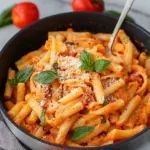
This Tomato Ricotta Pasta recipe is a delicious and easy comfort dish perfect for any occasion.
- Prep Time: 10 minutes
- Cook Time: 20 minutes
- Total Time: 30 minutes
- Yield: 4 servings
- Category: Pasta
- Method: Stovetop
- Cuisine: Italian
- Diet: Vegetarian
Ingredients
- 12 ounces pasta of choice
- 1 tablespoon olive oil
- 3 cloves garlic, minced
- 1 can (28 ounces) crushed tomatoes
- 1 cup ricotta cheese
- 1 teaspoon dried basil
- 1 teaspoon salt
- 1/2 teaspoon black pepper
- 1/2 cup grated Parmesan cheese
- Fresh basil leaves for garnish
Instructions
- Cook the pasta according to package directions. Drain and set aside.
- In a large skillet over medium heat, heat the olive oil and sauté garlic until fragrant.
- Add the crushed tomatoes, basil, salt, and pepper, and simmer for 10 minutes.
- Stir in the ricotta cheese until well combined.
- Add the cooked pasta to the sauce and toss gently to coat.
- Serve topped with Parmesan cheese and fresh basil leaves.
Notes
- For a spicier dish, add red pepper flakes to the sauce.
- Feel free to add your favorite vegetables for added nutrition.
Nutrition
- Serving Size: 1 serving
- Calories: 400
- Sugar: 8 grams
- Sodium: 600 milligrams
- Fat: 20 grams
- Saturated Fat: 8 grams
- Unsaturated Fat: 10 grams
- Trans Fat: 0 grams
- Carbohydrates: 45 grams
- Fiber: 3 grams
- Protein: 15 grams
- Cholesterol: 30 milligrams