Introduction to Sonoko Sakai’s Okonomiyaki
A delicious introduction to a Japanese favorite
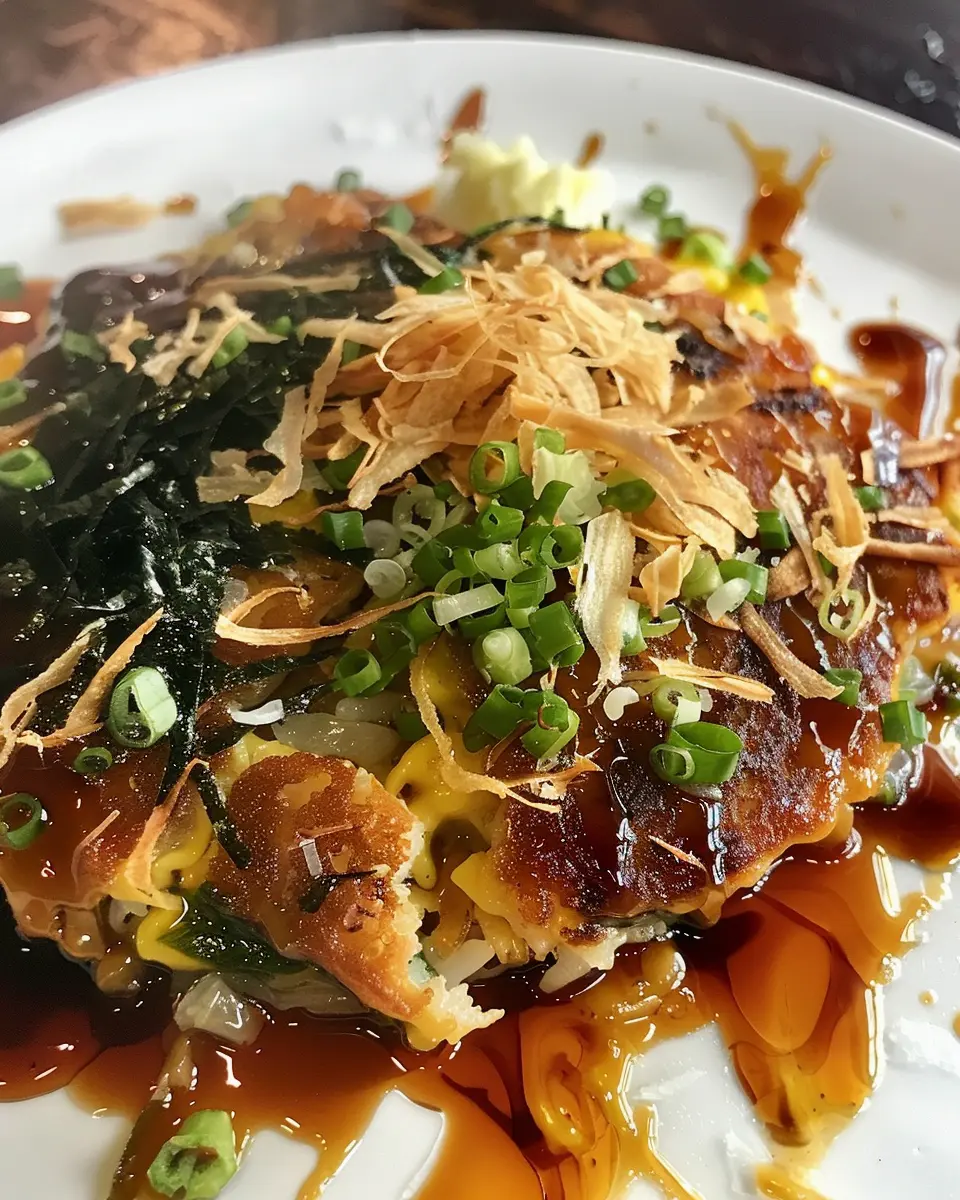
Have you ever bitten into a dish that made you feel like you were transported straight to Japan? If not, you’re in for a treat with Sonoko Sakai’s Okonomiyaki. This savory Japanese pancake is not just food; it’s an experience, a burst of flavor, and a celebration of ingredients all rolled into one. With roots in Osaka, Okonomiyaki translates to “grilled as you like it,” which opens the door to endless possibilities for customization.
The beauty of Okonomiyaki lies in its versatility. Traditionally, this dish is a delicious blend of flour, eggs, shredded cabbage, and a variety of toppings, including meats and seafood. However, it’s this adaptability that truly makes Sonoko Sakai’s Okonomiyaki special. With options like Turkey Bacon and Chicken Ham, not only do you get to relish its renowned comfort, but you can also cater to your taste and dietary considerations.
While crafting this dish, it’s essential to understand its elements. The base usually consists of just a handful of ingredients that combine harmoniously, creating a fluffy texture enhanced by the crunch of cabbage. Topped with savory sauces, mayonnaise, and bonito flakes, every bite surprises and delights, making it a very popular choice for casual dining or family gatherings.
Like Chef Sonoko Sakai, Japanese cuisine emphasizes quality ingredients. As noted by experts at the Japan National Tourism Organization, the proper selection of fresh produce and proteins can elevate your cooking experience, ensuring that your Okonomiyaki shines. Approaching this delightful dish invites creativity. Are you a fan of spicy food? Feel free to add chili flakes. Prefer a vegetarian twist? Load it up with more veggies like mushrooms or squash!
So get your apron ready, because you’re about to embark on a culinary adventure filled with flavors and textures that are sure to leave a lasting impression. Dive into Sonoko Sakai’s Okonomiyaki and discover why this dish has captured the hearts (and stomachs) of food lovers around the world.
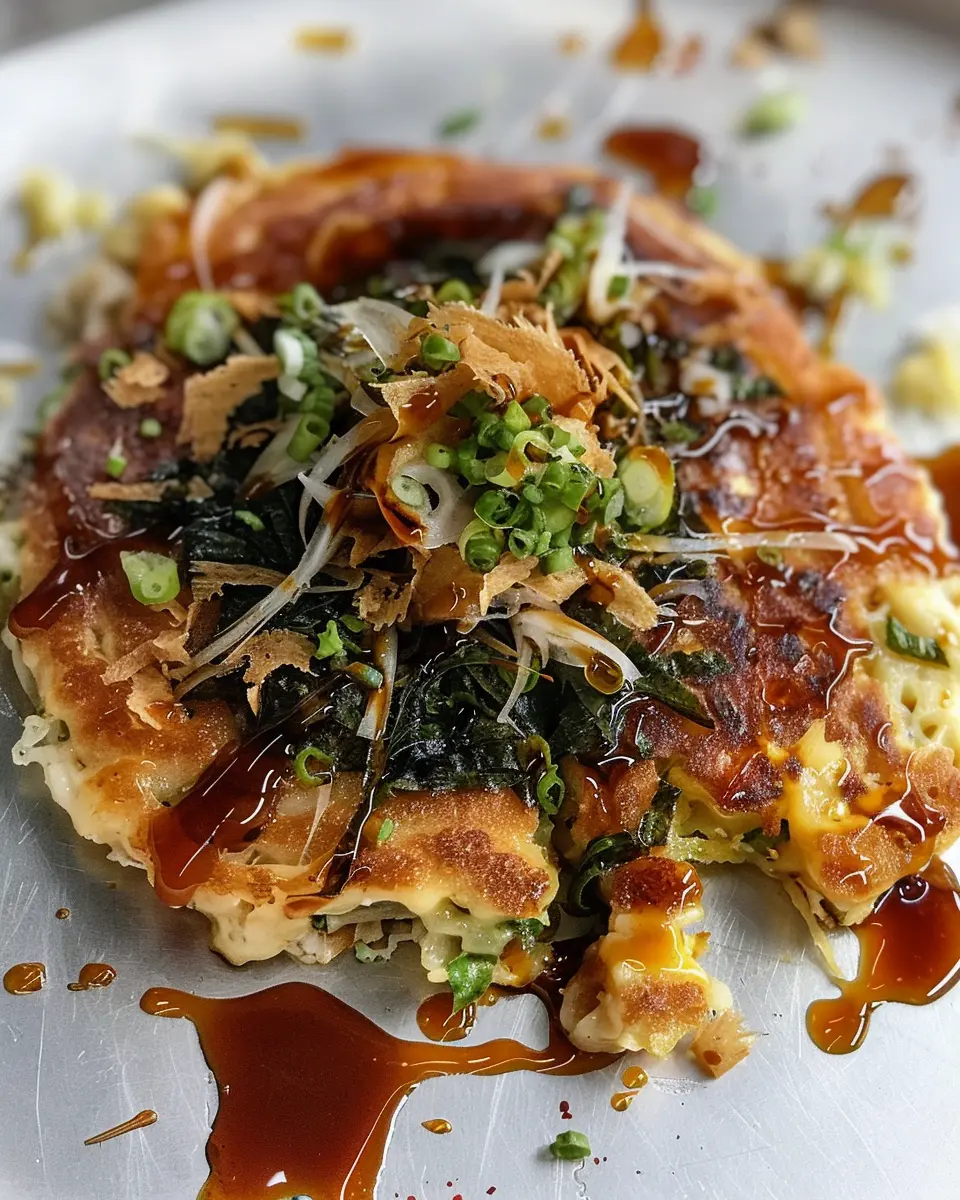
Ingredients for Sonoko Sakai’s Okonomiyaki
What you’ll need for the perfect okonomiyaki
When it comes to crafting Sonoko Sakai’s Okonomiyaki, the quality of your ingredients truly makes all the difference. Here’s what you’ll need to whip up this delectable Japanese savory pancake that’s sure to impress!
- Cabbage: 2 cups, finely shredded. This gives that classic crunch!
- All-purpose flour: 1 cup. It forms the base of your batter.
- Dashi stock: 1 cup. If you’re looking for a vegetarian alternative, try vegetable stock.
- Eggs: 2 large. They’ll help bind everything together perfectly.
- Turkey bacon: 4 slices, cooked and chopped into bits. This adds a tasty umami touch.
- Chicken ham: 1/2 cup, diced. For a lean protein boost, it’s a must!
- Green onions: 1/4 cup, finely sliced for a pop of freshness.
- Tonkatsu sauce: To drizzle on top. A flavor explosion you won’t want to skip!
These ingredients can easily be found at your local grocery store, or you can explore authentic Japanese markets for an even better selection. So, are you ready to dive into the flavorful world of Sonoko Sakai’s Okonomiyaki? Enjoy the journey!
Preparing Sonoko Sakai’s Okonomiyaki
Creating Sonoko Sakai’s okonomiyaki, a savory Japanese pancake, is a joyful culinary adventure that can transform your cooking routine. This dish is not only delicious but also incredibly versatile, allowing you to tailor it according to your preferences. Let’s walk through the steps together, ensuring you have a delightful experience in the kitchen.
Gather Your Ingredients
Before we dive into the cooking process, the first step is to gather all your ingredients. This ensures that your cooking flow remains smooth and enjoyable. Here’s what you’ll need:
- 1 cup all-purpose flour
- 1 cup dashi or water
- 2 large eggs
- 2 cups finely shredded cabbage
- ½ cup grated nagaimo (or yam)
- Chopped green onions
- 1 cup shrimp (peeled and deveined)
- 4 slices turkey bacon (or your preferred protein choice)
- ½ cup chicken ham (diced)
- Tonkatsu sauce (for drizzling)
- Mayonnaise (for drizzling)
- Aegami (seaweed flakes) for garnish
- Katsuobushi (bonito flakes), optional for garnish
Having everything in place will keep you organized and ready to savor every moment. Plus, it allows you to enjoy the cooking process rather than scrambling around looking for misplaced items.
Make the Batter
Now that you have your ingredients set, it’s time to make the batter. Combine the flour and dashi (or water) in a large mixing bowl. Add the eggs and whisk until the mixture is smooth. This is the foundation of our pancake, so take your time to ensure there are no lumps.
Next, gently fold in the shredded cabbage, grated nagaimo, and chopped green onions. This combination infuses your pancake with lots of flavor and texture. The nagaimo helps keep the batter light, resulting in a fluffy okonomiyaki that you won’t forget.
Cook the First Pancake
Heat a non-stick skillet over medium heat and add a little oil to prevent sticking. Once hot, pour about half of your batter into the skillet, shaping it into a large circle. Allow it to cook for about 3-4 minutes until the bottom turns golden brown.
You might find yourself daydreaming about how good this is going to taste! Who could resist a crispy, savory pancake dotted with flavor? Once it’s ready, carefully flip it using a spatula and cook the other side for an additional 3-4 minutes.
Add the Shrimp and Finish Cooking
After you’ve flipped your pancake, it’s time to add the shrimp and chicken ham. Sprinkle evenly over the pancake, allowing them to cook into the batter. This is where the dish truly comes to life. As the shrimp sizzle, you’ll relish the enticing aroma wafting through your kitchen.
Continue cooking until both the shrimp and the pancake are fully cooked and the edges become crispy. The combination of textures with the savory shrimp and soft pancake is nothing short of heavenly.
Garnish and Serve
Once cooked, the final step is to garnish your masterpiece. Drizzle tonkatsu sauce and rich mayonnaise over the top in an artistic manner. For that extra flair, sprinkle a pinch of aegami and katsuobushi if using.
Now, slice your Sonoko Sakai’s okonomiyaki into wedges and serve it warm. Preparing this dish can be a fun group activity, and it’s perfect for sharing with friends or family.
So, will you add your own twist to this classic recipe? The joy of cooking is all about making dishes your own while savoring every bite of deliciousness!
For additional tips on Japanese cuisine and cooking techniques, check out resources on dashi preparation or authentic Japanese frying methods. Enjoy the journey of flavor with okonomiyaki!
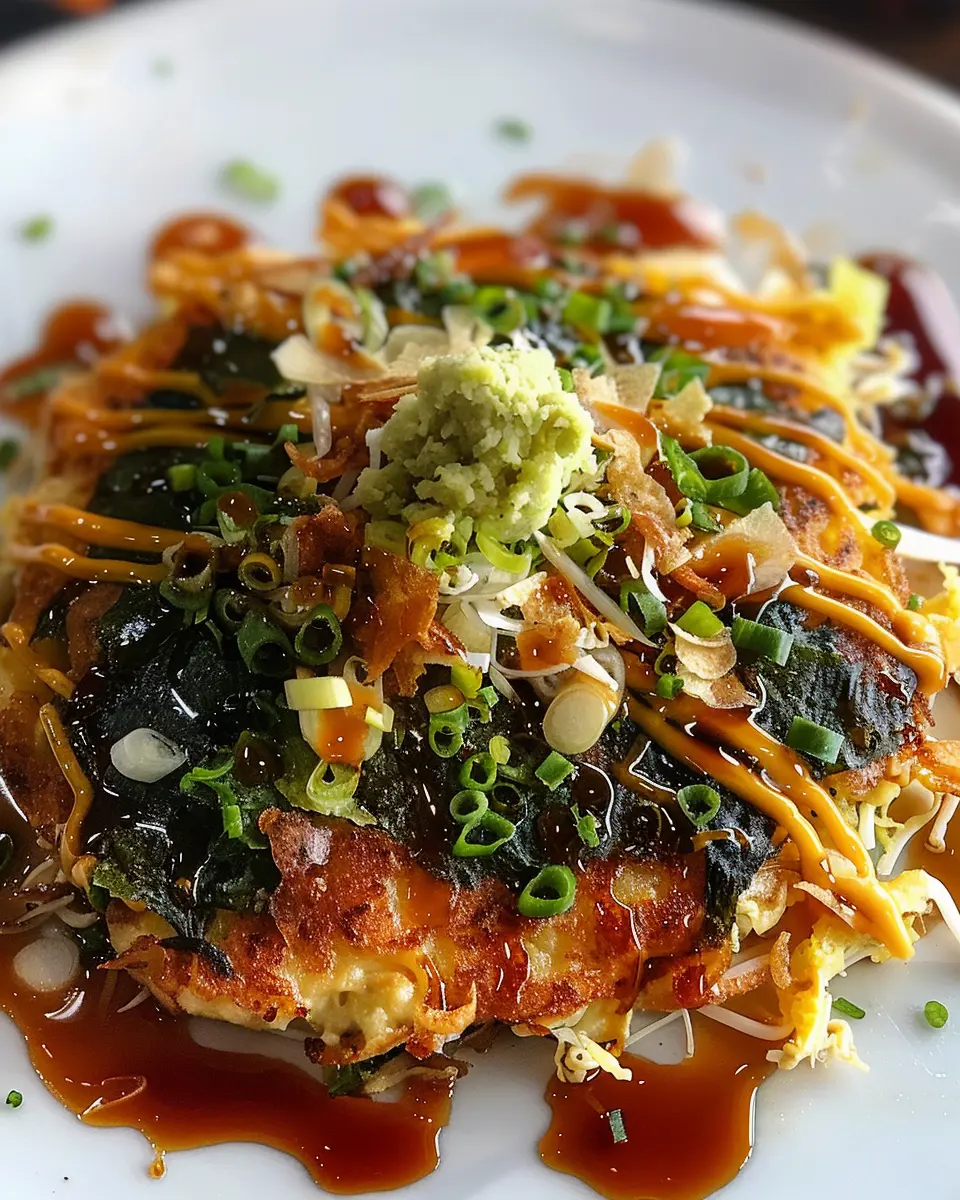
Variations of Sonoko Sakai’s Okonomiyaki
Explore Different Fillings
Variations of Sonoko Sakai’s Okonomiyaki can truly transform this delightful dish into something unique every time you whip it up. While traditional ingredients like shrimp and beef work wonders, don’t hesitate to get creative! Consider these tasty options:
- Turkey Bacon: A delicious alternative to regular bacon, adding a smoky flavor.
- Chicken Ham: This addition provides a touch of sweetness that beautifully contrasts the savory elements.
- Mushrooms and Onions: For a hearty texture that complements the pancakes perfectly.
- Cheese: A sprinkle of cheese can introduce a gooey richness that takes your Okonomiyaki to another level.
You can also experiment with other proteins, like tofu or even crab meat, for a luxurious twist. The options are endless!
Create a Vegetarian Version
Did you know you can enjoy Sonoko Sakai’s Okonomiyaki even without meat? Creating a vegetarian version is not only simple but also allows you to pack in a variety of fresh veggies. Here’s how:
- Base Ingredients: Stick with your flour, dashi (or a vegetable broth for a vegan twist), cabbage, and green onions.
- Veggie Additions: Carrots, bell peppers, and zucchini can boost vitamins and flavor – just chop them finely.
- Binding Agents: Keep your pancake moist using finely shredded vegetables or add in pieces of seaweed.
For those considering a more health-conscious approach, check out Healthline’s insights on vegetable benefits to get inspired.
With these possibilities, you can savor Sonoko Sakai’s Okonomiyaki while catering to your dietary preferences. Not only will you impress your friends, but you might just discover a new favorite!
Cooking tips and notes for Sonoko Sakai’s Okonomiyaki
Tips for a perfect texture
Achieving the right texture in Sonoko Sakai’s Okonomiyaki is essential for that delightful experience. A few key tips:
- Use fresh ingredients: Fresh vegetables like cabbage and green onions provide better flavor and texture. Aim for finely chopped cabbage to create a tender base.
- Batter consistency: Your batter should be somewhat thick but not too heavy. Adding just enough dashi (a seasoned broth) or water to reach a pourable consistency will keep your pancakes light and fluffy.
- Rest the batter: Let the batter sit for about 10-15 minutes before cooking. This helps the gluten relax, leading to a better texture.
Notes on cooking techniques
When it comes to cooking Sonoko Sakai’s Okonomiyaki, technique is key:
- Hot griddle: Preheat your skillet or griddle—it should be hot but not smoking. A consistent temperature ensures even cooking.
- Flip with care: Use a wide spatula to gently flip the pancake once the edges begin to set. If it breaks apart, try making smaller batches next time.
- Top it off: Add toppings like Kewpie mayo, okonomiyaki sauce, or even bonito flakes for a traditional finish, enhancing both the flavor and presentation.
With these tips and notes, you’ll be well on your way to mastering this delicious dish! If you’re keen on pulling in some additional techniques, check out this Japanese cooking guide for further insights.
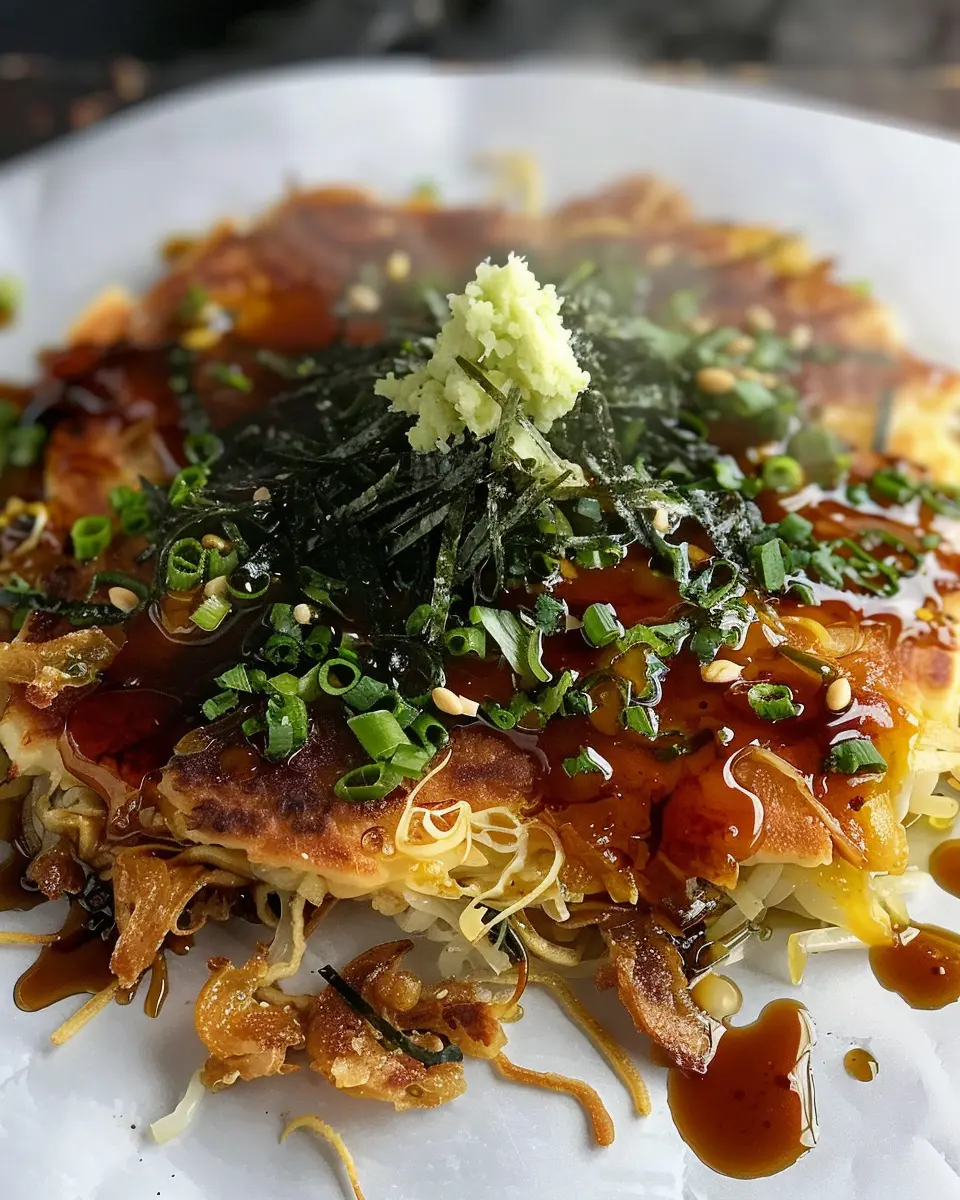
Serving suggestions for Sonoko Sakai’s Okonomiyaki
When it comes to serving Sonoko Sakai’s Okonomiyaki, the possibilities are endless! This delightful savory pancake isn’t just a meal; it’s an experience, and pairing it with the right sides and drinks can elevate it to the next level.
Pairing with Sides and Drinks
To complement your okonomiyaki, consider adding a few side dishes:
- Japanese Pickles: A side of pickled vegetables adds a nice crunch and balances the richness of the pancake.
- Miso Soup: This classic Japanese soup warms the soul and pairs beautifully with okonomiyaki’s texture and flavors.
- Tofu Salad: Light and refreshing, a tofu salad dressed with a sesame vinaigrette complements the savory notes wonderfully.
As for beverages, you can’t go wrong with:
- Iced Green Tea: The earthy flavor of sencha or matcha provides a refreshing contrast to the umami in the dish.
- Sparkling Water with Citrus: A splash of lemon or lime brightens your palate and enhances the meal.
Finding the perfect pairing for Sonoko Sakai’s Okonomiyaki can turn a simple dinner into a memorable feast. Why not invite friends over and make a night of it? If you want more inspiration on sides and drinks, check out this Japanese cuisine guide for exciting ideas!
Time breakdown for Sonoko Sakai’s Okonomiyaki
When it comes to creating the perfect Sonoko Sakai’s Okonomiyaki, it’s essential to manage your time wisely. Here’s a quick breakdown to help you plan your cooking adventure efficiently!
Preparation time
Expect to spend around 20 minutes prepping your ingredients. This includes chopping vegetables, measuring out the batter components, and getting your fillings ready. Don’t rush; enjoying the process can make all the difference when you savor your delicious okonomiyaki.
Cooking time
Cooking each okonomiyaki takes about 5-7 minutes per side, depending on your stovetop heat. If you’re making multiple servings, factor in extra time, as you’ll want to keep each one perfect and warm until they’re all ready to serve.
Total time
Overall, you’re looking at about 45-60 minutes from start to finish. It’s a fun and interactive meal that you can enjoy preparing with friends or family. And hey, remember, the more hands in the kitchen, the faster the fun! For more tips on Japanese home cooking, you might find this resource quite helpful. Happy cooking!
Nutritional Facts for Sonoko Sakai’s Okonomiyaki
When it comes to enjoying Sonoko Sakai’s Okonomiyaki, it’s essential to know what you’re putting into your body. This savory Japanese pancake is not just delicious but packed with nutrients.
Calories
Each serving of Sonoko Sakai’s Okonomiyaki contains approximately 250-300 calories, making it a satisfying yet manageable choice for a hearty meal.
Protein
With ingredients like turkey bacon and vegetables, this dish offers a good protein punch, typically providing around 12-15 grams per serving. It’s a great way to fuel your body, especially after a long day.
Sodium
Keep in mind that because of the soy sauce and other seasonings, the sodium content can be higher—around 500-700 mg per serving. For those watching their salt intake, consider adjusting the soy sauce or using low-sodium alternatives.
When making Sonoko Sakai’s Okonomiyaki, you’re opting for a fulfilling dish that balances taste and nutrition beautifully. Want to know how to appreciate this meal even more? Check out sources like Healthline for tips on creating a balanced plate!
Tailoring your okonomiyaki with fresh ingredients not only enhances its nutritional value but also elevates the dining experience. So, the next time you’re whipping up this delightful treat, think about how you can make it even better for your health.
FAQs about Sonoko Sakai’s Okonomiyaki
When diving into the world of Sonoko Sakai’s Okonomiyaki, you might have a few questions. No worries! Here are some common queries answered to help you get cooking.
What can I substitute for the shrimp?
If shrimp isn’t your thing or if you’re looking for a quick substitute, try these options:
- Tofu: Firm tofu can provide a great protein boost and absorb the flavors nicely.
- Mushrooms: Shiitake or button mushrooms add a savory depth that complements the pancake.
- Any other seafood: Consider using scallops or squid if you want a different flavor.
Feel free to get creative! The beauty of okonomiyaki lies in its versatility.
How do I store leftover okonomiyaki?
Leftover Sonoko Sakai’s Okonomiyaki can be stored easily. Just follow these steps:
- Cool it down: Let the okonomiyaki reach room temperature.
- Wrap it up: Use plastic wrap or place it in an airtight container to keep it fresh.
- Refrigerate: Store in the fridge for up to 3 days.
When you’re ready to enjoy it again, simply reheat it in a skillet until warmed through. This way, you’ll keep that crispy texture!
Can I make okonomiyaki without eggs?
Absolutely! If you’re looking to make a vegan version or simply don’t have eggs on hand, try these alternatives:
- Flaxseed Meal: Mix 1 tablespoon of flaxseed meal with 3 tablespoons of water and let it sit for a few minutes. This acts as a great binding agent.
- Chia Seeds: Similar to flaxseeds, mix 1 tablespoon of chia seeds with 3 tablespoons of water for a simple egg substitute.
Making adjustments doesn’t take away from the deliciousness of Sonoko Sakai’s Okonomiyaki—it just personalizes it to your tastes!
For more cooking hints and tips, check out websites like Serious Eats or Bon Appétit for inspiration. Happy cooking!
Conclusion on Sonoko Sakai’s Okonomiyaki
Why You Should Try Making This Dish at Home
Making Sonoko Sakai’s Okonomiyaki at home is not just about following a recipe—it’s an opportunity to create, explore, and savor. This savory Japanese pancake can easily be tailored to your taste preferences, allowing you to experiment with fillings like turkey bacon or chicken ham. Engaging in the cooking process can also serve as a wonderful way to unwind after a long day.
Imagine gathering your friends for an Okonomiyaki night, where everyone can customize their own pancake. Whether you’re a seasoned cook or a kitchen novice, this dish helps nurture creativity while bringing people together. Plus, there’s something incredibly satisfying about seeing your culinary efforts transform into a delicious meal! Embrace the adventure of cooking and dive into this delightful dish—it’s a flavorful journey worth every minute. For more Japanese-inspired recipes, check out Japanese Cooking 101 or Just One Cookbook.
PrintSonoko Sakai’s Okonomiyaki: A Flavorful Twist with Turkey Bacon
Sonoko Sakai’s Okonomiyaki is a delicious and inventive take on the classic Japanese dish, incorporating turkey bacon for a healthier twist.
- Prep Time: 15 minutes
- Cook Time: 10 minutes
- Total Time: 25 minutes
- Yield: 4 servings
- Category: Main Dish
- Method: Pan-frying
- Cuisine: Japanese
- Diet: Gluten-free option available
Ingredients
- 1 cup all-purpose flour
- 1 cup dashi stock
- 1 large egg
- 2 cups shredded cabbage
- 1/2 cup green onions, chopped
- 1 cup cooked turkey bacon, chopped
- 1/4 cup pickled ginger, chopped
- 1/4 cup mayonnaise
- 1/4 cup okonomiyaki sauce
- to taste bonito flakes
Instructions
- In a large bowl, whisk together the flour and dashi stock until smooth.
- Add the egg, cabbage, green onions, turkey bacon, and pickled ginger, mixing until well combined.
- Preheat a non-stick skillet over medium heat and lightly grease it.
- Pour in an appropriate amount of the batter to form a patty and cook until golden brown on one side, about 4-5 minutes.
- Flip the okonomiyaki and cook for another 4-5 minutes until fully cooked through.
- Serve hot topped with mayonnaise, okonomiyaki sauce, and bonito flakes.
Notes
- For a vegetarian version, omit the turkey bacon.
- Okonomiyaki is versatile; feel free to add any vegetables you like!
Nutrition
- Serving Size: 1 pancake
- Calories: 350
- Sugar: 3g
- Sodium: 800mg
- Fat: 20g
- Saturated Fat: 5g
- Unsaturated Fat: 15g
- Trans Fat: 0g
- Carbohydrates: 30g
- Fiber: 2g
- Protein: 15g
- Cholesterol: 100mg